
Narcolepsy: Causes, Symptoms, Diagnosis, and Treatment
Although narcolepsy disorder is not that common, it can greatly mess with your daily life, mental health and productivity. Understanding the symptoms and early diagnosis is extremely important to avoid serious associated complications. This blog post will help you understand what causes narcolepsy and how early diagnosis and proper management can help manage symptoms and improve the quality of life for people living with this condition.
What is narcolepsy?
A chronic sleep disorder which disturbs the brain’s ability to regulate sleep and wakefulness is known as narcolepsy. This condition causes people to experience uncontrollable daytime sleepiness, making it difficult to stay awake during activities of daily living. Narcolepsy disorder is generally misunderstood as simple tiredness or laziness. But the reality is that narcolepsy is a serious medical condition that interferes with the normal sleep cycle and can majorly affect a person’s personal, social and professional life. These conditions lead to altercations in rapid eye movement (REM) sleep, which is associated with dreaming. Generally, REM sleep begins about 90 minutes after sleeping. The person with narcolepsy enters REM sleep within minutes after falling asleep. This fluctuation in sleep patterns causes symptoms associated with the disorder. The narcolepsy disorder is rare, but most cases remain undiagnosed due to a lack of awareness and similarities with other health conditions.
Also Read: The Benefits Of Outdoor Exercise For Mental Health
Symptoms of narcolepsy
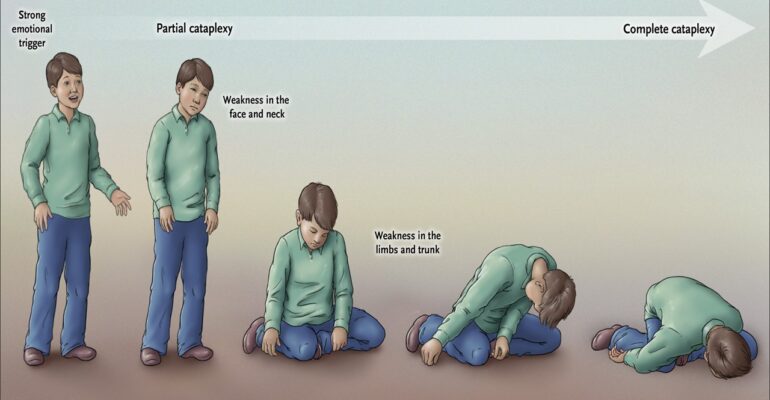
There are many common narcolepsy symptoms; one of the most common symptoms is feeling too sleepy during the day. This symptom causes the patient to suddenly fall asleep during conversations, while eating, at work, or even while driving. These events, often called sleep attacks, can happen unexpectedly and repeatedly throughout the day. Unlike ordinary tiredness, these attacks are tough to control and may occur even after a full night’s sleep. Another major symptom is cataplexy, which causes sudden muscle weakness triggered by strong emotions such as laughter, excitement, anger or surprise. Some may collapse completely without losing consciousness, while others may experience mild weakness in facial muscles. Sleep paralysis is another major issue associated with narcolepsy. A person becomes temporarily unable to move or speak during sleep paralysis, while falling asleep or waking up. It is very short-lived but frightening to the person. Many patients experience hallucinations that seem extremely realistic, and these occur during transitions between sleep and wakefulness. There are other symptoms in addition to these. Disrupted nighttime sleep is also common in patients with narcolepsy. The uneven sleep pattern causes fatigue and affects concentration, memory and emotional well-being.

Cause of narcolepsy
The cause of narcolepsy is a combination of genetic, neurological and environmental factors. One important finding concerns hypocretin (orexin), a brain chemical responsible for maintaining wakefulness and regulating REM sleep. In type 1 narcolepsy, patients have very low levels of hypocretin because the brain cells that produce it are damaged or destroyed. Researchers found that this damage may result from an autoimmune response in which the immune system mistakenly attacks healthy brain cells. These low levels of hypocretin disrupt normal sleep patterns and lead to symptoms such as daytime sleepiness and cataplexy. Genetics also play a role in the development of narcolepsy disorders. Certain genes are more common in people with narcolepsy, although these genes do not confirm the development of the disorder. There are various triggers like infections, hormonal changes, emotional stress or traumatic brain injuries which may increase the risk of narcolepsy.
Types of narcolepsy disorders
There are two types of disorders-
- Type 1 narcolepsy- This version of the disease includes low hypocretin levels and cataplexy. Patients experience more severe symptoms as cataplexy can occur suddenly and unpredictably. It disrupts employment, relationships, and overall quality of life.
- Type 2 narcolepsy- It does not have cataplexy and has milder symptoms. It involves excessive daytime sleepiness without muscle weakness. It impacts daily functioning.
In some cases, narcolepsy may develop from injuries or disease affecting the hypothalamus, the area of the brain responsible for sleep regulation.
Also Read: Anorexia Nervosa: A Serious Mental Health Condition
Diagnosis and medical evaluation
The diagnosis is important for developing a cure for any disease. Narcolepsy diagnosis takes several years, as symptoms often resemble other sleep disorders or mental health conditions. Many patients often get a wrong diagnosis with depression, insomnia, epilepsy or chronic fatigue syndrome. Diagnosis of narcolepsy begins with a detailed medical history and discussion of symptoms. Diagnosis involves questions about daytime sleepiness, nighttime sleep quality, episodes of cataplexy and family history. Physicians generally use standardised questionnaires to assess symptom severity. Polysomnography is used to monitor brain activity, breathing patterns, heart rate, and muscle movements during sleep. This test helps to remove misdiagnosis of obstructive sleep apnea. Another diagnostic test, the Multiple Sleep Latency Test (MSLT), measures how quickly a person falls asleep during daytime naps. The level of hypocretin is measured to diagnose narcolepsy. Neurological and blood examinations are also prescribed to exclude other medical conditions that could be causing similar symptoms.
Treatment of narcolepsy
There is no permanent cure for narcolepsy, but there are various narcolepsy treatments to manage symptoms and daily functioning. The treatment includes a combination of medication, lifestyle changes, and behavioural strategies tailored to the patient’s needs. The physicians prescribed stimulant medications to reduce excessive daytime sleepiness and improve alertness. This is prescribed to help you remain awake and focused during daily activities. A few newer wakefulness-promoting medicines may offer similar benefits with fewer side effects compared to traditional stimulants. Cataplexy is managed by antidepressants or sodium oxybate. Sodium oxybate improves nighttime sleep quality and manages cataplexy. Treatment methods depend on symptoms, severity, age and overall health. The good lifestyle changes also play a crucial role in the management of narcolepsy. Maintaining a regular sleep schedule can manage the body’s internal clock, and short, planned naps during the day may reduce unexpected sleep attacks and improve concentration. Alcohol, nicotine and caffeine close to bedtime may disrupt the sleep cycle, so avoid them to support better nighttime sleep quality. Healthy eating habits and regular exercise may also improve energy levels and emotional health, thereby enhancing sleep quality. Meditation and yoga are recommended for stress management.
Also Read: 5 reasons why sleep is important for healthy skin
Conclusion
Awareness of narcolepsy is important for recognising the impact this neurological sleep disorder can have on daily life. Narcolepsy affects physical health, emotional well-being and personal relationships. Although there is no cure for narcolepsy, advances in sleep medicines have improved awareness, diagnosis and treatment options. Appropriate treatment methods, healthy lifestyle habits, and strong support systems help manage the disease and support the patient in maintaining a healthy life.