How to Get Rid of Fungal Acne?
Human skin is the habitat of many opportunistic microorganisms, including fungi. Acne is one of the most common skin diseases and affects 80% of people at some point in their lives. Most people use all types of anti-acne drugs that doctors prescribe, but still, they do not get the desired result. This can happen because they do not have acne at all. In this case, it is logical that acne treatment does not work. In patients with acne fungus, anti-acne drugs can make it worse. For example, people often confuse and mix conditions such as rosacea, simple irritations, milk spots, and Malassezia Folliculitis with acne. Both skin diseases may occur together, making everything completely incomprehensible.
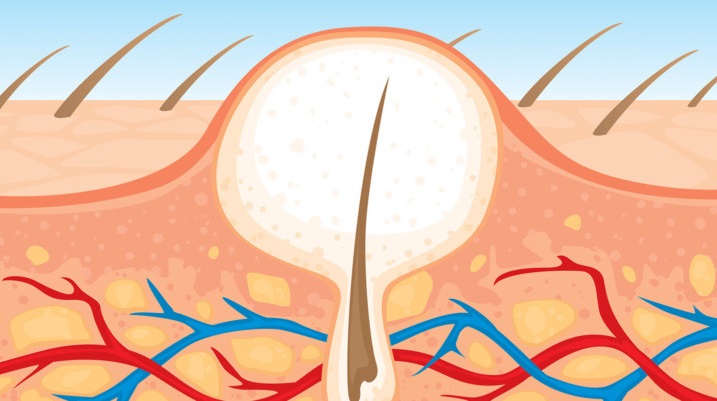
Fungal acne usually occurs due to excess yeast on your skin, known as Malassezia; it is the same biological classification of fungi found in hair follicles. When this occurs, “it results in inflammation and itchiness or acne-like eruptions. Fungal acne can be contagious as its yeast tends to spread.
Where does Fungi Acne come from?
The fungus prefers a carbohydrate-rich environment, which can lead to development on the face due to frequent consumption of sweets, chocolate, pastries, sugar, and candies. Also, the growth of fungal colonies can lead to excessive antibiotic use, disrupting the balance between beneficial and harmful microorganisms.
In the case of normal acne, bacteria P. acnes are responsible, and in the case of Malassezia Folliculitis, rashes are caused by Malassezia fungi. The same fungi also cause other forms of dermatitis and dandruff. In general, these fungi are a normal part of the skin microbiome, but when there are too many, problems arise.
The fungus grows due to increased sebum production. It likes the bacteria that cause acne love sebum and live where there is a lot of it. This skin problem also sometimes appears in high humidity, in the tropics or with heavy sweating, because fungi love it too. Antibiotics play a role here because they kill bacteria (both good and bad), giving the fungi the opportunity and space to reproduce. Malassezia folliculitis can occur while taking antibiotics, including topical acne treatments.
Types of Antifungal Medications:
Antifungal drugs, or antimycotics, are a diverse class of chemical compounds, both of natural origin and by chemical synthesis, that have specific activity against pathogenic fungi. Depending on their chemical structure, they are divided into several groups that differ in their activity spectra, pharmacokinetics, and clinical use in various fungal infections (mycoses).
Miconazole – use for a week twice a day for the treatment of affected areas. Rub it into the skin until completely absorbed.
Ketoconazole – a drug based on ketoconazole is used to treat for 2 weeks or longer. To suppress yeast, the cream is applied to the damaged area of the face and adjacent healthy tissues.
What ingredients should not be used for fungal acne?
Fungi are living organisms belonging to the kingdom Fungi, and it is worth avoiding substances and formulas that can help them multiply. The human body serves as a Petri dish for fungal growth. First of all, antibiotics should be avoided because they kill bacteria, alter the microbiome, and create a breeding ground for fungi. Creams that are high in fatty acids and oils such as Linoleic, oleic, linolenic, and palmitic. The most common oils with these acids are rosehip, jojoba, grape seed, olive, and almond. Fungi love to thrive on fatty acids, and if you use very saturated and fatty creams, the chances are high of experiencing fungal acne.
How to treat fungal acne?
Several medications are available to treat acne effectively. The use of tretinoin (a derivative of Vitamin A), benzoyl peroxide, or salicylic acid, the most common components for the treatment of acne, could be your best bet. If you are looking for a reliable place to buy tretinoin cream, check Alldaychemist to buy Retin A cream online or any other acne product that you may need at an affordable price.
A powerful systemic antifungal agent that inhibits the production of an enzyme on which fungal cells depend. The drug effectively treats people affected by yeast, mild dermatophytes, and other dermatophytes. In the early stages of mycosis, antifungal ointments and creams are sufficient. Launched forms of mycosis are treated with systemic therapy, including the mandatory use of oral antifungal agents (Diflucan, Lamisil, Orungal), immunomodulatory agents, and probiotics. You can also purchase acne, allergy, and antifungal medications. Please consult your dermatologist or skin specialist to determine the right strength and product for you.