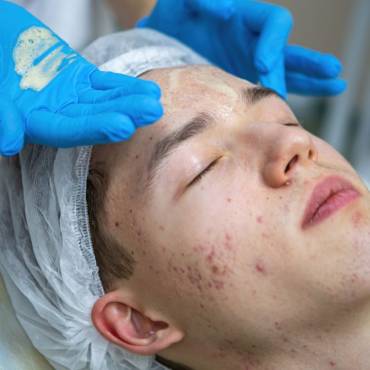
Tretinoin is one of the most researched, most recommended skincare ingredients worldwide. Dermatologists have trusted it for decades. Skincare enthusiasts swear by it. And once you understand how it works, it’s easy to see why nothing else on the market accelerates skin renewal, clears acne, fades dark spots, and reduces wrinkles quite like it does.
Here’s where most people get stuck: Tretinoin doesn’t come in a one-size-fits-all formula. A-Ret Gel, one of the most popular and accessible tretinoin gels available, comes in three different concentrations:
- Concentration – 0.025%
- Concentration – 0.05%
- Concentration – 0.1%
Each strength of A Ret gel carries the same active ingredient (i.e. Tretinoin), but they behave very differently on your skin. Choose the right strength, and you are on your way to genuinely transformed skin. Choosing the wrong dosage can push your treatment for weeks of redness, peeling, and frustration that might make you give up entirely.
So before you order, let’s talk about what these numbers actually mean, how the strengths compare, and which one makes the most sense for where your skin is right now.
What Tretinoin Actually Does to Your Skin
To understand why strength matters so much, it helps to understand what Tretinoin is doing underneath the surface. Tretinoin is a retinoic acid, a form of vitamin A that binds directly to receptors in your skin cells. Once it does, it speeds up the natural shedding cycle, pushing old, damaged, pigmented cells out faster while stimulating the production of new ones. At the same time, it signals the skin to produce more collagen, which gradually thickens the dermis, fills in fine lines, and gives skin that firmer, smoother quality that takes years off your appearance.
This process is powerful, but it isn’t immediate or painless. As your skin adjusts to Tretinoin, you will go through a period of skin irritation, dryness, flaking, sensitivity, and sometimes an initial breakout as clogged pores purge. This is called retinization, and it’s completely normal. The higher the concentration, the more intense this phase tends to be. That’s the core reason why starting at the right strength is important.
Benefits of A-Ret Gel
A-Ret gel, a tretinoin-based topical gel that delivers real, clinically proven results for a wide range of skin concerns. Here is why dermatologists and skincare enthusiasts alike trust it:
Clears acne — Tretinoin unclogs pores and prevents new breakouts, targeting acne where it starts rather than just masking it on the surface.
Fades dark spots and hyperpigmentation — By accelerating cell turnover, A-Ret gel pushes pigmented cells out faster, gradually evening out skin tone and reducing post-acne marks and sun damage.
Reduces fine lines and wrinkles — It stimulates collagen production deep within the skin, softening lines and improving firmness over time.
Refines skin texture — Regular use smooths rough, uneven texture and visibly tightens enlarged pores.
Long-term skin renewal — Unlike quick-fix products, A-Ret gel works progressively; the longer you use it, the better your skin becomes.
When can you expect results from Tretinoin?
- Acne improvement: Usually within 6–12 weeks of regular use.
- Dark spots and skin texture: Around 2–3 months.
- Fine lines and wrinkles: Often 3–6 months or longer with consistent use.
Important points
- Start slowly, apply every 2–3 nights weekly, and increase gradually.
- Apply a pea-sized amount at night on clean, dry skin.
- Always use a broad-spectrum sunscreen (SPF 30 or higher) during the day, as Tretinoin makes the skin more sensitive to sunlight.
- A good moisturizer helps minimize dryness and peeling.
- Be patient as mild redness, dryness, peeling, or irritation is common during the first few weeks and usually improves as your skin adapts.
- Don’t mix with harsh actives – Avoid using AHAs, BHAs, or vitamin C on the same night.
| Key Takeaway |
| • 0.025% — Best for beginners, sensitive skin, and first-time retinoid users |
| • 0.05% — Best for moderate acne and users who have tolerated 0.025% well |
| • 0.1% — Best for severe acne, deep photoageing, or patients stepping up from 0.05% |
| • Always start low and build up slowly. Your dermatologist will guide the right pace. |
| Below is a detailed summary of all three strengths. |
A-Ret Gel 0.025% — Starting Smart
The 0.025% concentration is the entry dose, and for most people, it’s exactly the right strength to begin. It contains enough Tretinoin to produce visible results; it’s not a watered-down version of the real thing, but it delivers those results gradually, giving your skin time to adapt without overwhelming it.
If you have never used Tretinoin before, or if you’ve tried retinol products in the past and found your skin tends to react badly, this is almost certainly the strength for you. It’s also the go-to recommendation for people with naturally dry or sensitive skin, for younger users with mild to moderate acne, and for anyone who wants to introduce anti-ageing ingredients without the harsh initiation period that stronger concentrations require.
What you should realistically expect at this strength is meaningful improvement over time, not an overnight transformation. Within the first couple of months, you’ll likely notice your skin texture feels smoother and more refined. Breakouts may cycle through a brief purge phase before gradually reducing. After three to four months of consistent use, improvements in tone and clarity become more apparent. Fine lines will soften slowly but steadily.
The 0.025% also gives you a runway, a few months of building tolerance before you step up to something stronger, if your skin eventually calls for it.
A-Ret Gel 0.05% — The Most Trusted Middle Ground
When comparing Tretinoin 0.025 vs 0.05, the 0.05% strength consistently comes out as the clinical favourite. It’s the most commonly prescribed concentration worldwide, and for good reason: it hits a genuinely useful sweet spot between being strong enough to produce fast, significant results and being tolerable enough that most people can actually sustain it long-term.
If you’ve been using the 0.025% strength for three to six months and your skin has adapted well —meaning the initial dryness and peeling have settled, you’re no longer reactive, and you’re applying it regularly without issue—then moving up to 0.05% is a natural and sensible next step. It’s also appropriate for those with prior experience with retinol or retinoid products, or for anyone dealing with moderate acne, pronounced hyperpigmentation, or visible signs of aging that the lower strength isn’t addressing quickly enough.
At 0.05%, the skin renewal process happens more noticeably. Most users see meaningful improvements in acne and skin tone within six to eight weeks, and more dramatic anti-aging changes, including a visible reduction in fine lines, improved firmness, and more even pigmentation, within four to six months.
That supporting routine matters a lot at this strength. Daily SPF is non-negotiable. A good, straightforward moisturizer applied every morning (and optionally the evening before or after applying the gel) and skipping harsh exfoliants, acids, and anything with a strong fragrance during the treatment process.
A-Ret Gel 0.1% — High Potency, High Commitment
The 0.1% concentration is the strongest available dose. At this level, Tretinoin produces the fastest and most dramatic results, but it also demands the most from your skin and from your commitment to the process.
This strength is not a starting point. It’s the product of patience, reserved for people who have spent real time at lower concentrations and whose skin has fully adapted to Tretinoin. That might mean deep, persistent acne scarring, more advanced photoaging, or stubborn hyperpigmentation that hasn’t responded adequately to milder concentrations.
What distinguishes the 0.1% experience is both the pace of the results and the intensity of the initial reaction. Skin peeling, redness, tightness, and heightened sensitivity during the first several weeks are common, sometimes significantly more pronounced than at lower strengths. Many experienced users reduce their application frequency temporarily when first introducing 0.1%, applying every other night or even every third night to let the skin catch up. Once the skin has adapted, collagen remodeling happens at a noticeably faster pace, pores appear visibly tighter, skin tone evens out more dramatically, and the texture improvements are often striking compared to what was achieved at lower strengths.
A-Ret Gel 0.025% vs 0.05% vs 0.1% — Quick Comparison
| Feature | A-Ret Gel 0.025% | A-Ret Gel 0.05% | A-Ret Gel 0.1% |
| Strength | Lowest | Medium | Highest |
| Best for | Beginners, sensitive skin | Moderate acne, tolerant users | Severe acne, photoageing |
| Irritation risk | Low | Moderate | Higher |
| Results timeline | Slower (12–16 wks) | Moderate (8–12 wks) | Faster (6–10 wks) |
| Recommended for age | All ages, including teens | Adults (18+) typically | Adults with prior retinoid use |
| Retin-A equivalent | Retin-A 0.025% | Retin-A 0.05% | Retin-A 0.1% |
| Skin type | Dry, normal, sensitive | Normal, combination, oily | Oily, acne-prone, resilient |
How to Use A-Ret Gel — Step-by-Step
- Cleanse your skin gently. Use a mild, fragrance-free cleanser. Pat skin dry and wait 20–30 minutes before applying; damp skin absorbs Tretinoin more aggressively and can increase irritation.
- Apply a pea-sized amount. That small amount is enough for the entire face. More is not better with Tretinoin.
- Apply at night only. Tretinoin breaks down in sunlight. Nighttime application protects efficacy.
- Moisturise after. Apply a gentle, non-comedogenic moisturiser over the Tretinoin to buffer dryness.
- Use SPF every single morning. This step is non-negotiable. Tretinoin increases photosensitivity, and unprotected sun exposure can cause irritation, hyperpigmentation, and wasted results.
- Be consistent. Regularly missing nights will significantly slow results. Aim for nightly use once your skin has adjusted.
The Right Way to Select Tretinoin Strength
What is often missed in the Tretinoin 0.025 vs 0.05 is a detailed conversation: strength is not a badge of commitment. Using the highest concentration doesn’t mean you are more serious about your skincare or that you will get better results faster. What actually predicts success with Tretinoin is consistency over time at whatever strength your skin can tolerate and sustain.
People who see the most impressive results aren’t necessarily those who jumped straight to 0.1%. They are the ones who started at 0.025%, allowed their skin to adapt over months, moved up to 0.05% when the time was right, stayed consistent through the ups and downs, wore their sunscreen every single day, and gave the ingredient the time it needed to do its work. That’s the formula, and it applies regardless of which A-Ret Gel strength you start with.
Final Verdict: Which Strength Should You Choose?
When comparing tretinoin 0.025 vs 0.05, the right answer depends on your skin’s experience with retinoids and your specific skin concerns. Beginners should always start at 0.025%, move to 0.05% after a few months, and only consider 0.1% once their skin is fully adapted.
There’s no shortcut with Tretinoin, but there is a clear, proven path. Start low, go slow, and you will experience the results. Shop prescribed strength of A-Ret Gel from AllDayChemist to get the authentic acne products at the best prices.
10 Frequently Asked Questions About A-Ret Gel
- What is the difference between A-Ret Gel 0.025% and 0.05%?
The main difference is potency. Tretinoin 0.025 vs 0.05 comes down to how much active ingredient is in the gel. 0.025% is gentler and better for beginners, while 0.05% works faster and is more effective for moderate skin concerns — but also causes more initial irritation.
- Can I start with A-Ret Gel 0.05% if I’ve never used Tretinoin before?
It’s not recommended. Starting at 0.025% allows your skin to build tolerance gradually. Jumping to 0.05% as a beginner significantly increases the risk of severe irritation, redness, and peeling that may force you to stop using it.
- How long does it take for A-Ret Gel to show results?
Most users see improvements in skin texture and acne within 8–12 weeks. Anti-aging benefits, such as reduced fine lines, typically take 3–6 months of consistent use.
- Can I use A-Ret Gel every day?
No — especially not at first. Begin with 2–3 applications per week and increase frequency as your skin adjusts. Most users work up to nightly use after 1–2 months.
- Should I use A-Ret Gel in the morning or at night?
Always at night. Tretinoin breaks down in sunlight, increasing photosensitivity. Apply it before bed on clean, dry skin.
- Is it normal to experience peeling and redness when starting A-Ret Gel?
Yes — this is called the “tretinoin purge” or retinization period. It typically lasts 4–6 weeks and indicates that the product is working. Using a gentle moisturizer helps manage this phase.
- Can A-Ret Gel be used for dark spots and hyperpigmentation?
Absolutely. Tretinoin is one of the most clinically proven treatments for hyperpigmentation. It accelerates cell turnover, bringing fresh, evenly pigmented skin to the surface faster.
- What moisturizer should I use with A-Ret Gel?
Choose a fragrance-free, non-comedogenic moisturizer with ingredients such as ceramides, hyaluronic acid, or niacinamide. Apply it after the Tretinoin has absorbed (wait 20–30 minutes), or use the “sandwich method”: moisturize before and after applying.
- Is A-Ret Gel the same as Retin-A?
Yes, functionally. Both contain Tretinoin as the active ingredient. A-Ret Gel is the generic version of Retin-A, offering the same effectiveness at a more affordable price.
- Where to buy A-Ret Gel online?
Choose the prescribed strength for correct treatment. AllDayChemist (ADC) offer all three A Ret Gel strengths at competitive prices. ADC is a trusted online pharmacy offering genuine products with worldwide shipping. The website stocks all three strengths sourced directly from Akums Drugs and Pharmaceuticals, the licensed Indian manufacturer. As Tretinoin is a prescription medicine in many countries, it is important to ensure you have a valid prescription before ordering. If you are unsure about which strength is right for you, consult your dermatologist before using this topical formulation.

admin
Latest posts by admin (see all)
- A-Ret Gel 0.025% vs 0.05% vs 0.1% — Which Strength Is Right for You? - June 29, 2026
- Sildenafil Jelly – A Faster-Acting Alternative to Traditional ED Tablet - August 22, 2025
- Bone Health Beyond Calcium: Underrated Nutrients You’re Probably Missing - August 8, 2025