
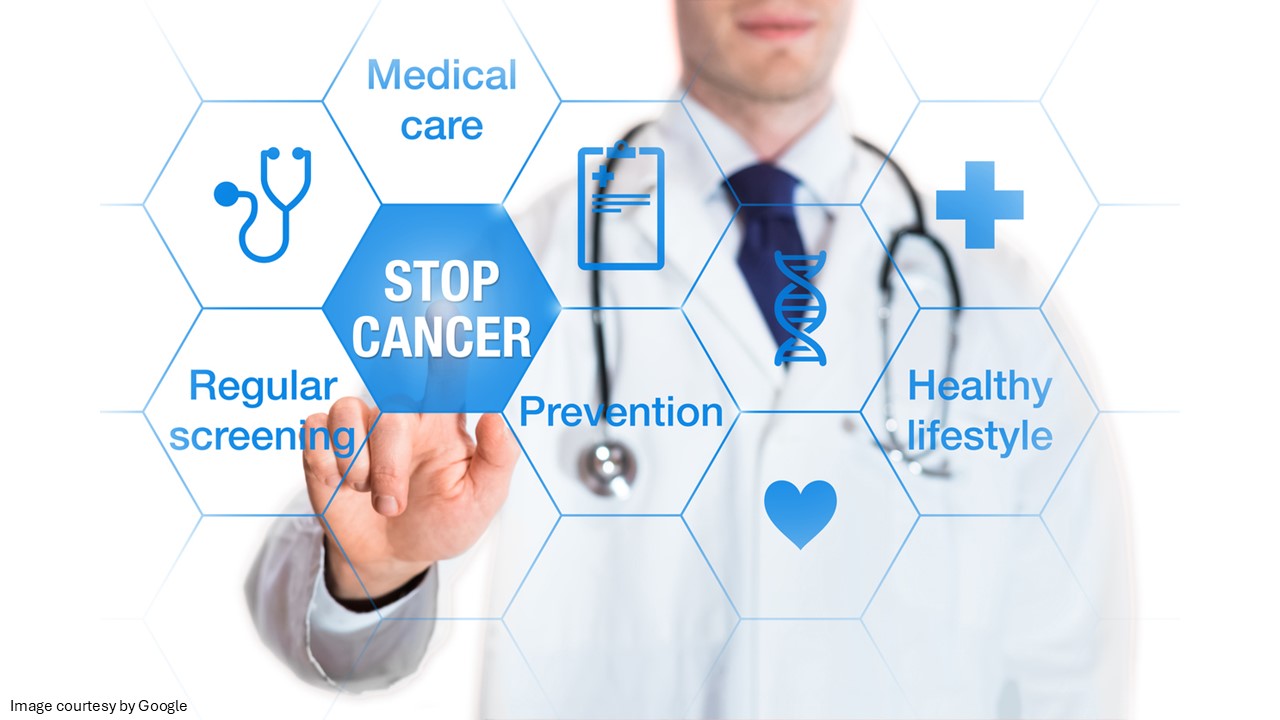
Cancer screening tests can identify abnormal cell growth that may develop into cancer, offering a better opportunity to intervene early. This article will explore the importance of encouraging regular cancer screenings, the types of screening tests, the cancer types that can be detected early, and how to incorporate regular screening into your healthcare routine.
Cancer is one of the major causes of death across the world, second only to heart disease in the US. But if detected early, it is often treatable, and even curable in some cases. Early detection continues to be a powerful tool in reducing cancer morbidity and mortality. Regular cancer screenings play a vital role in early detection and intervention of various types of cancer, which include cervical, lung, breast, colon, and prostate cancer. Early detection of these cancers can significantly improve outcomes by delaying or preventing disease progression and increasing survival. Common types of cancer screening tests include pap smears test for cervical cancer, mammograms for breast cancer, low-dose CT scans for lung cancer, colonoscopies for colorectal cancer, and PSA blood tests for prostate cancer. These tests are designed to detect any abnormalities earlier, before an individual feels unwell.
Why is cancer screening important?
Cancer screening involves cancer screening tests that are performed on individuals who are suspected of cancer or those who do not show any signs of cancer. Screening for cancer is considered a secondary prevention that aims to reduce mortality without necessarily altering the incidence of the condition. Screening helps identify premalignant lesions and intervene early in processes that are likely to cause cancer. screening helps slow down the progression and facilitate early curative therapy. This way, most cancer risks can be prevented. In addition, lifestyle changes such as eliminating tobacco products and second-hand smoke exposure and getting vaccinated against human papillomavirus, maintaining a healthy weight, abstaining from processed foods or red meat, staying physically active, avoiding tanning beds, and eating enough fruits and vegetables can substantially reduce an individual’s risk of developing cancer or dying from the condition. Regular screening increases the likelihood of detecting abnormal cancer cells at an early stage, when the cancer cells are often localised or haven’t yet transformed into malignant cells (meaning they are still benign) and do not require aggressive treatment procedures. These not only improve the survival rate but also reduce the emotional, physical, and financial burden of treatment. For instance, Early detection of breast cancer via mammography has a significantly greater five-year survival rate compared to advanced-stage breast cancer. A similar scenario occurs in cases of cervical, colorectal, and lung cancers.
What are the benefits of cancer screening?
The beneficial effects of regular cancer screening go beyond early detection. Here’s how:
-
- Early detection means better outcomes – Early-stage cancers typically haven’t spread to other parts of the body, making them more manageable.
- Screening tests can help detect precancerous conditions – Certain screening tests can detect abnormal cell changes before they develop into cancer.
- Improves quality of life and well-being – By diagnosing cancer early, patients can avoid aggressive treatments that are often required for advanced-stage cancers and that are associated with side effects. Chemotherapy, radiation therapy, and surgery can be more invasive procedures.
- Promotes awareness and prevention – Regular cancer screening encourages awareness. By undergoing these screening tests, people are more likely to stay informed about their risk factors, identify warning signs, and make healthy changes.

What are the types of cancer screenings?
Is there any cancer screening age? Well, cancer screening recommendations are usually based on age, family history, gender, lifestyle, and individual risk factors. How often should you get cancer screening? Screening should be personalised as advised by the healthcare professional. Certain guidelines exist for individuals:
-
- Breast cancer screening: The recommended test for breast cancer is a mammogram. The cancer screening age for breast cancer is 40 and above. These women are advised to have mammograms every 1 to 2 years, depending on their risk factors and personal history. With the help of mammograms, breast cancer can be detected early, even before the development of a lump or other symptoms. As women age, breast cancer screening is a must. Also, women with a history of breast cancer should undergo breast cancer screening.
- Cervical cancer screening: This involves a pap smear and an HPV test. Females aged 21 to 65 should undergo a Pap smear every 3 years. If they are also getting an HPV test, combined screening may be done every 5 years for women aged 30 to 65. This cancer screening test helps detect abnormal cells in the cervix that could progress to cancer. They are also useful in detecting the presence of human papillomavirus (HPV), which is considered a major contributor to cervical cancer.
- Lung cancer screening: Low-dose computed tomography is the recommended test for lung cancer. It is suggested for adults aged 50 to 80 with a significant smoking history of about 20 years or more. Teh screening tests should be considered annually if they currently smoke or quit within the past 15 years.
- Colorectal cancer screening: This screening involves colonoscopy, a stool DNA test, or a faecal occult blood test. Adults aged 45 years and older should get screened for colorectal cancer. These people should have a colonoscopy every 10 years or a stool DNA test (faecal occult blood test) every year, depending on their risk level. Colonoscopies help detect polyps or abnormal growths in the colon that could progress to cancer. Timely removal of polyps during the screening can prevent the formation of cancer.
- Prostate cancer screening: To detect prostate cancer, the recommended tests are the prostate-specific antigen (PSA) test and the digital rectal exam (DRE). Healthcare specialists usually recommend this to men aged 50 and above, or 45 for those with a high risk of developing prostate cancer.
How does cancer screening improve treatment success?
Early detection allows healthcare specialists use less invasive surgical procedures, minimise or completely avoid aggressive treatments like chemotherapy, and preserve organ function. Those who receive the diagnosis at an early age often experience fewer side effects and, in some cases, a faster recovery. In addition, timely treatment reduces stress, financial burden, and long-term complications associated with cancer.
Takeaway!
Regular cancer screening plays a vital role in early detection, saving lives. Cancer screening is one of the most important steps anyone can take to safeguard their overall health.