
Turning 30 is often seen as a defining phase in a man’s life. It is the decade where ambition, responsibility, and personal growth intersect. Careers become more demanding, family responsibilities increase, and social habits begin to change. Along with these life shifts, the body also starts responding differently than it did in the 20s. Understanding how do men age in their 30’s is essential to maintaining long-term health and preventing future complications.
While aging cannot be stopped, it can certainly be managed. With smart planning, awareness, and the right lifestyle changes for men after 30 can remain energetic, strong, and mentally sharp. This blog highlights essential health tips for men above 30, focusing on physical fitness, nutrition, preventive care, and overall well-being.
How men age in their 30’s: What changes and why it matters
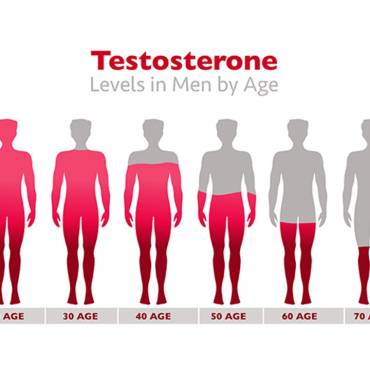
The aging process in men typically begins subtly in the early 30s. Metabolism slows down, making weight gain easier even without significant dietary changes. Muscle mass gradually decreases, and fat distribution shifts toward the abdominal area. Testosterone levels may begin to decline slowly, affecting energy levels, mood, and muscle strength.
Additionally, recovery from exercise and injuries takes longer. Stress from work and family obligations can interfere with sleep patterns and mental health. These factors combined increase the risk of lifestyle-related conditions such as high blood pressure, diabetes, heart disease, and joint problems.
Recognizing these early signs allows men to adopt proactive strategies. The following men’s wellness tips are designed to help men navigate this stage of life with confidence and control.
-
Strengthen and protect bone health
Bone health is often overlooked in men, yet it plays a critical role in long-term mobility and strength. After the age of 30, bone density begins to decline gradually. If not addressed, this can lead to brittle bones, joint discomfort, and even osteoporosis later in life. Men with a family history of osteoporosis, smokers, heavy alcohol consumers, and those with sedentary lifestyles face a higher risk of bone deterioration. A DEXA scan (dual-energy X-ray absorptiometry) is a simple and effective test that measures bone density and helps identify early bone loss.
To support bone strength, men should consume approximately 1,000 mg of calcium daily, along with 400–800 IU of vitamin D to aid calcium absorption. Natural sources include dairy products, leafy green vegetables, nuts, seeds, and fortified foods. Exposure to sunlight also helps the body produce vitamin D naturally.
Weight-bearing exercises such as walking, jogging, stair climbing, and resistance training are equally important. These activities stimulate bone growth and slow down bone loss, making them essential health tips for men above 30.
-
Make physical activity and yoga a lifestyle habit
One of the most impactful lifestyle changes for men after 30 is committing to regular physical activity. Exercise not only helps maintain a healthy weight but also improves cardiovascular health, muscle tone, and mental clarity. Yoga deserves special mention because it addresses both physical and mental well-being. Regular yoga practice enhances flexibility, improves posture, strengthens muscles and connective tissues, and reduces the risk of injury. It also helps regulate blood pressure, improve heart function, and lower stress hormones.
Men who combine yoga with strength training and cardiovascular exercises experience better endurance and faster recovery. An ideal routine may include:
-
- Cardio exercises such as brisk walking, cycling, or swimming
- Strength training 2–3 times per week to preserve muscle mass
- Yoga or stretching sessions for flexibility and stress relief
Engaging in 30 to 45 minutes of exercise most days of the week is one of the most effective ways for how men can stay healthy after 30.
-
Monitor prostate health and hormonal balance
Prostate health becomes increasingly important as men age. Although prostate cancer is more common in men over 50, awareness should begin much earlier. Early detection significantly improves treatment outcomes.
Understanding the warning signs is crucial. Symptoms such as frequent urination, difficulty urinating, pain during urination or ejaculation, and erectile issues should never be ignored. Men with a family history of prostate conditions should discuss screening options with their healthcare provider. Hormonal balance, particularly testosterone levels, also begins to change in the 30s. Low testosterone can contribute to fatigue, reduced libido, mood swings, and muscle loss. Regular health check-ups help monitor hormone levels and identify imbalances early.
Maintaining a healthy weight, exercising regularly, managing stress, and eating a nutrient-rich diet all contribute to better prostate and hormonal health, important men’s wellness tips that support longevity.
-
Adopt smarter eating habits and avoid overeating
Diet plays a central role in determining how men age. One of the most important health tips for men above 30 is to move away from unhealthy eating habits developed in their younger years. Fast food, sugary snacks, and oversized portions can quickly lead to weight gain and metabolic issues.
As metabolism slows, calorie control becomes essential. Men should focus on balanced meals that include:
-
- Lean proteins such as fish, eggs, legumes, and poultry
- Whole grains for sustained energy
- Fruits and vegetables are rich in antioxidants
- Healthy fats from nuts, seeds, and olive oil
Instead of large meals, eating smaller portions every four hours helps regulate blood sugar levels and prevents overeating. Staying hydrated and limiting alcohol intake further supports digestion and liver health.
Mindful eating, paying attention to hunger signals and portion sizes, is one of the simplest yet most effective lifestyle changes for men after 30.

-
Schedule regular doctor visits and health screenings
Preventive healthcare becomes essential once men cross 30. With rising cases of lifestyle-related diseases, routine medical check-ups help detect issues before they become serious.
Annual visits to a family doctor should include screenings for blood pressure, cholesterol, blood sugar, body fat percentage, and BMI. These check-ups also provide an opportunity to discuss sleep quality, stress levels, and mental health—areas often ignored by men.
Regular health monitoring empowers men with knowledge about their bodies and encourages timely interventions. This proactive approach is key to understanding how men can stay healthy after 30.
The role of supplements in men’s health
Modern lifestyles often make it difficult to meet all nutritional needs solely through diet. Supplements can help fill these gaps when used responsibly and under medical guidance. Common supplements recommended for men over 30 include multivitamins, vitamin D, calcium, omega-3 fatty acids, and protein supplements.
AllDayChemist is an online pharmacy offering a wide range of supplements to support men’s health and overall wellness. Access to quality supplements helps men stay consistent with their health goals.
Mental health and stress management: An often-ignored factor
Mental health plays a vital role in overall wellness. Stress, anxiety, and burnout are common among men in their 30s due to work pressure and family responsibilities. Chronic stress can affect sleep, immunity, digestion, and heart health.
Practices such as meditation, yoga, adequate sleep, and spending time on hobbies help reduce stress levels. Seeking professional support when needed is also a sign of strength, not weakness.
Final thoughts
Understanding how do men age in their 30’s is the first step toward better health. By implementing effective lifestyle changes for men after 30, focusing on nutrition, fitness, preventive care, and mental well-being, men can significantly improve their quality of life.
These health tips for men above 30 and practical men’s wellness tips are not just about avoiding illness; they are about building resilience, strength, and confidence for the future. Consistency and informed choices help identify how men can stay healthy after 30.