
How To Store and Manage Medicines You Buy Online: Safety tips
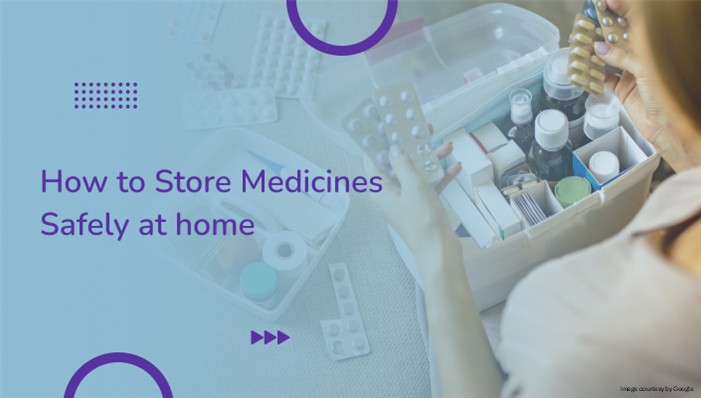
Good storage is easy to ignore because medicines often appear unchanged even after exposure to an unsuitable environment. That is why understanding how to store prescription medications should be part of your routine whenever you purchase or receive a medicine. This guide walks you through medication storage guidelines and evidence-based steps for storing medicine purchased from online pharmacies.
Introduction
Whether you are buying a prescription or over-the-counter product, or a food supplement, online purchasing can be safe and convenient for accessing essential healthcare and supporting overall health. To protect your health, buy only from reliable sources and know what to look for before purchasing medication. Some medicines are temperature sensitive. Changes in temperature, such as heat, light, and humidity, can reduce a medicine’s concentration or make it unsafe to use. When you order pharmaceutical products online, additional variables, including handling, shipping, courier delays, or unclear packaging, may come into play. These factors make proper verification, storage, and usage habits essential. Once you receive the medicine, store it under conditions that suit the product. How should medicines be stored? Learn how to evaluate trustworthy platforms and follow proper storage practices so you can make informed decision and reduce the risk of buying products that aren’t what they claim to be.
Check the product before putting it away
Before creating a place for your new medicine in your cupboard, look at the packaging. Make sure the name, strength, dosage form, quantity, and expiry date match what you ordered. Take a moment to read the storage instructions as well. Different medicines can have very different requirements. One tablet may be suitable for ordinary room-temperature storage, while another product may need protection from light or refrigeration. Rather than applying the same rule to every medicine, use the instructions supplied with the individual product. This simple check is also useful after an online delivery because it gives you an opportunity to notice damaged packaging, leaking containers, broken seals, or other concerns before the medicine is used.
Find a suitable place at home
How to store medicines at home? Well, when considering how to store medicines safely, think about what the storage area is exposed to throughout the day. A suitable location should generally be away from excessive heat, moisture, and direct sunlight unless the product instructions state otherwise. The bathroom is not always the best choice. Steam from showers and baths can increase humidity, while temperatures may fluctuate considerably. Similarly, medicines kept next to a cooker, oven, kettle, or sink can be exposed to heat or moisture. A closed cupboard in a dry area of the home is a practical option for pharmaceutical products that don’t require special storage conditions. Always follow the storage conditions and temperature instructions on the product rather than relying solely on general advice.
Store the medicine in original packaging only
Manufacturers keep medicinal formulations in blister strips, bottles, tubes, cartons, and other protective packaging for good reason. Original packaging can shield the contents from environmental conditions and make the medicine easier to identify. Do not mix different tablets or capsules in one container simply to save space. It can ultimately lead to mix-ups, especially when several medicines appear similar. Keeping the original packaging also lets you access important information such as the strength, expiry date, batch details, and storage instructions. For bottles and tubes, close the container properly after each use. If a product comes with a specialised cap or closure, use it as intended.
Be careful with heat
Well, heat deserves particular attention when medicines are transported or stored. Medicine left on a windowsill, in a parked vehicle, or near a heater can reach temperatures well outside its recommended range. A medicine may still look unaffected even if the packaging looks normal. Some products have specific temperature limits, and the impact of unsuitable storage may not be visible. Light can also matter. If the product instructions say it should be protected from light, keep it in its original packaging or container until you need it.
What if the medicine needs refrigeration?
Some medicines require refrigeration, but that does not mean every medicine should be placed in the refrigerator. Always check the manufacturer’s instructions. If refrigeration is specified, pay attention to the recommended temperature range. Do not put the medicine in the freezer unless the product information specifically says that this is appropriate. Freezing can damage certain medicines. If you receive a temperature-sensitive medicine and you suspect it has been exposed to unsuitable conditions, contact the dispensing pharmacy or manufacturer for product-specific advice before using it.

Keep medicines out of easy reach
Correct temperature and humidity are only part of safe storage. Medicines also need to be kept where children and pets cannot accidentally access them. A secure cupboard or locked storage area can reduce the possibility of accidental ingestion. Put medicines away immediately after taking a dose rather than leaving them on a table, bedside surface, or kitchen counter. Child-resistant packaging can provide extra protection, but it should not be treated as a substitute for secure storage.
Create a simple medicine-checking habit
If your household receives medicines regularly, products can gradually build up in cupboards and drawers. An occasional review can help you identify medicines that have expired or are no longer needed. The best way to store medicines at home is to keep products organised and easy to identify. Store them according to their individual requirements, and check expiry dates periodically. Do not use a medicine after its expiry date. Similarly, a product should not automatically be considered suitable merely because the expiry date has not passed if it has been exposed to unsuitable storage conditions or its packaging has been damaged. For disposal, follow the instructions supplied with the product or ask a pharmacist about appropriate local options.
Don’t ignore changes in the product
Sometimes a medicine may look different after storage. A cream could separate, a liquid could develop an unusual appearance, or packaging could become damaged. The appearance of the medicine alone can’t determine its safety, so don’t rely on visual inspection as a quality test. If something looks unusual, check with the pharmacy or manufacturer before you use it. Keep particular records of medicines that require special handling, especially if more than one person in the household uses prescription treatments.
Medicines at AllDayChemist
You can buy a range of medicines for different health categories, from diabetes (Bigomet 500) to anti-cancer (Altraz1mg) and infertility treatments. AllDayChemist is a reliable store that offers all these medications at the best price.
A better approach to medicine storage
If you are asking how should medicines be stored, start with the instructions that came with the medicine. You don’t need a complicated system. Keep products in their original containers, choose a suitable location, follow temperature requirements, and protect them from unnecessary exposure to heat, moisture, and light.
Online ordering makes obtaining medicines more convenient, but responsible handling continues after delivery. Checking each product when it arrives and storing it correctly can make your medicine routine more organised.
Ultimately, safe storage of medicines at home means paying close attention to the details specific to each medicinal product. This includes a few sensible habits to follow whenever receiving a medicinal product, such as checking labels, monitoring expiry dates, securing medicines from children and pets, and following the manufacturer’s storage instructions. All these good habits can help you manage your medicine supply more responsibly.
FAQs
- How do I know the medicines I ordered are genuine?
Look at the medicine’s packaging, expiry details, batch number, and manufacturer information upon delivery. Authentic medications should arrive in sealed packaging and be properly labelled, which helps you confirm they are genuine.
2.Can medicines get damaged during delivery, especially in hot weather?
Hot weather may affect certain medications during shipping, handling, or delivery. A reliable online pharmacy uses proper packaging and handling to maintain the quality of pharmaceutical items, while temperature-sensitive medicines require specific storage conditions throughout delivery.
3. How do I check if a medicine I bought online is safe to use long-term?
Check the medicine’s active ingredient, possible adverse effects, expiry date, and long-term risks with your doctor. Follow the recommended dosing regimen and visit your doctor’s place for regular check-ups to ensure continued treatment safety
4. Are generic medicines ordered online as safe as branded versions?
Generic medicines carries the same active ingredient as branded medicines and meet quality standards. Their safety usually depends on proper manufacturing, regulatory approval, and buying through a trustworthy platform.
5. What if I notice side effects after taking a medicine ordered online?
If you develop any unusual symptoms after using an online-purchased medicine, talk to yoru doctor. Keep the packaging with you, and seek immediate medical help if symptoms worsen.