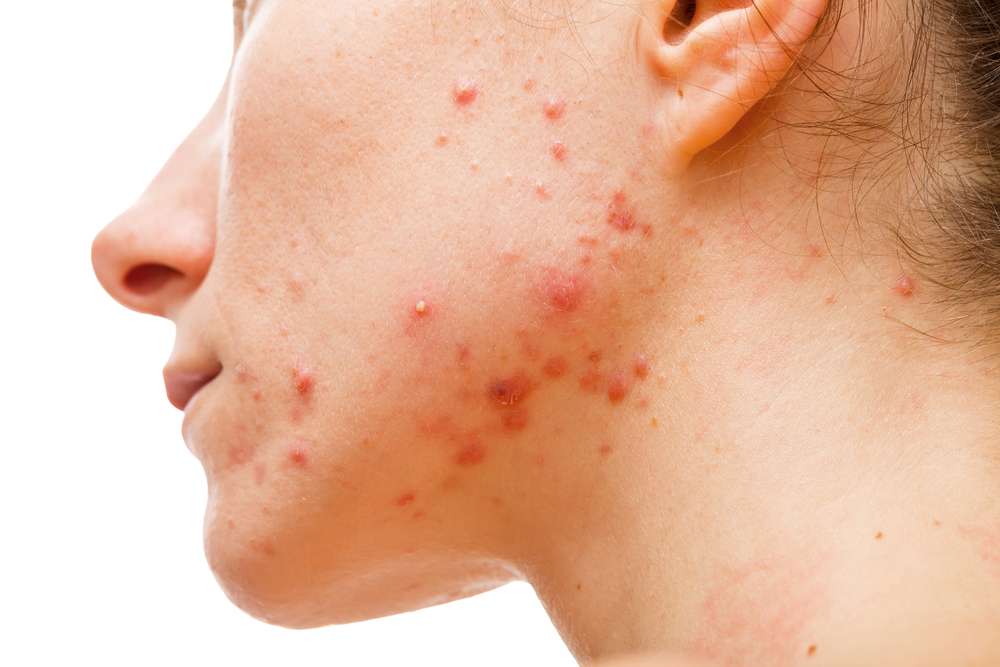
Acne is one of the most common yet frustrating skin concerns, affecting people of all ages. While many individuals manage to control breakouts temporarily, the recurring nature of acne often makes it difficult to achieve consistently clear skin. You may notice your skin improving for a while, only to be hit with unexpected breakouts again. This cycle can feel discouraging, especially when you are already following a skincare routine or using acne treatments. We try many acne medicines to cure this dermal condition, but are unable to cure acne forever due to one reason or another.
To effectively manage and prevent recurring acne, it is important to understand that acne is not always caused solely by surface-level factors. While external elements like pollution, poor skincare habits, or diet can contribute to breakouts, acne is often the result of a complex combination of internal (physiological) and external (environmental) factors. Since acne develops beneath the skin’s surface, it requires a thoughtful and consistent approach to treatment rather than quick fixes.
Even when redness subsides and your skin appears clearer, underlying triggers may still exist. This is why acne can reappear after a gap, sometimes even more aggressively. Understanding the root causes behind recurring acne is the first step toward achieving long-term skin health. Acne medicines help treat this skin condition more effectively. Below are the top five reasons your acne keeps coming back, along with what you can do about them.
Also Read: Remedies for acne and acne scars
- Over-drying your skin
When dealing with acne, many people assume that drying out excess oil is the best solution. This often leads to overuse of harsh cleansers, alcohol-based toners, or strong acne treatments. While these products may temporarily reduce oiliness, they can disrupt the skin’s natural balance.
When your skin becomes too dry, it compensates by producing even more oil (sebum) to restore hydration. This excess oil can clog pores and trigger new breakouts, worsening the situation rather than improving it. Over-drying can also weaken the skin barrier, making it more susceptible to irritation and bacteria.
What you should do instead:
- Use gentle, sulfate-free cleansers.
- Opt for non-comedogenic, oil-free moisturizers to maintain hydration.
- Avoid excessive exfoliation or layering too many active ingredients.
- Follow a balanced skincare routine that supports your skin barrier.
Maintaining hydration is key, even for oily or acne-prone skin.
- Touching Your Face Too Frequently
It may seem harmless, but frequently touching your face is one of the most overlooked causes of recurring acne. Your hands come into contact with numerous surfaces throughout the day, picking up dirt, oil, and bacteria. When you touch your face, you transfer these impurities directly onto your skin.
In addition to hands, everyday objects like mobile phones, glasses, and even water bottles can harbor bacteria. Constant contact with these items can trigger breakouts, especially along the cheeks and jawline.
How to prevent this:
- Avoid resting your face on your hands.
- Clean your phone screen regularly.
- Wash your hands frequently.
- Be mindful of habits like picking or squeezing pimples, as this can worsen inflammation and lead to scarring.
Reducing unnecessary contact with your face can significantly lower the risk of acne flare-ups.
- Dirty bedding and pillowcases
Your bed may feel clean, but over time, sheets and pillowcases accumulate oil, sweat, dead skin cells, and bacteria. When you sleep, your face is in constant contact with these surfaces, which can clog pores and trigger acne breakouts.
This is especially problematic if you already have acne-prone skin, as bacteria can easily spread and worsen the condition.
Best practices:
- Change your pillowcases at least once, and preferably twice, a week.
- Wash bed sheets regularly.
- Avoid going to bed with makeup on.
- Keep your hair clean, as hair oils can transfer onto your pillow.
Maintaining clean bedding is a simple yet highly effective way to support your acne treatment routine.
- Irritating or comedogenic makeup
Makeup can enhance your appearance, but certain products can also contribute to recurring acne. Many cosmetics contain ingredients such as artificial fragrances, dyes, and heavy oils that can irritate the skin or clog pores.
Using the wrong makeup products can not only trigger breakouts but also reduce the effectiveness of acne treatments. Additionally, improper makeup removal can leave residue on the skin, worsening congestion.
What to look for:
- Choose non-comedogenic and dermatologist-tested products.
- Avoid products with strong fragrances or harsh chemicals.
- Always remove makeup thoroughly before bedtime.
- Clean makeup brushes and sponges regularly to prevent bacterial buildup.
Switching to skin-friendly makeup products can make a noticeable difference in reducing acne recurrence.
Also Read: Natural and effective ways to treat acne
- Diet and lifestyle choices
If you’ve addressed all external factors and acne persists, your diet and lifestyle may be contributing to the problem. Certain foods, especially those high in sugar and refined carbohydrates, can spike blood sugar levels and trigger hormonal changes that increase oil production.
Dairy products, fried foods, and processed snacks are also commonly linked to acne flare-ups in some individuals. While diet alone may not cause acne, it can certainly influence its severity and frequency.
Helpful changes:
- Reduce intake of sugary and processed foods.
- Limit dairy if you notice it triggers breakouts.
- Eat a balanced diet rich in fruits, vegetables, and whole grains.
- Stay hydrated by drinking plenty of water.
- Maintain a healthy lifestyle with regular exercise and adequate sleep.
A nutrient-rich diet supports overall skin health and enhances the effectiveness of acne treatments.
Best acne medicine
AllDayChemist offers the best acne medicines at affordable prices. Buy prescription acne products to treat your condition more effectively. Some commonly prescribed acne medicines include tretinoin, Dapsone, Clindamycin, Adapalene, Azelaic Acid, and Benzoyl Peroxide. A Ret gel 0.05% (20 gm) and Aziderm cream 10% (15gm) are affordable formulations that fit within your budget and treat your acne effectively.
Final thoughts
Recurring acne can be frustrating, but it is often the result of consistent, underlying triggers rather than a single cause. By identifying and addressing these factors, whether it’s your skincare routine, hygiene habits, makeup choices, or diet, you can significantly reduce the chances of future breakouts.
Consistency is key to acne management. Instead of trying multiple products at once, focus on a simple, effective routine and give your skin time to respond. If acne persists despite these efforts, consulting a dermatologist can help you find a more targeted treatment plan.
Clear skin is achievable with patience, awareness, and the right approach.