
Have you ever wondered how smart food choices transform your life?
Let’s explore how nutritious food choices can transform your overall well-being and why eating better is considered eating healthy for life.Introduction
In today’s busy life, food has become more about convenience than nourishment. Between tight schedules and takeout options, it is easy to overlook that diet directly impacts our health, mood, and longevity. It is said that when you eat better, you live better. What we give our bodies determines not just how we look, but also how we feel, think, and age. So, let’s find out how to make better food choices.
Consider food as the fuel of life!
Your body is a machine, and to function well, it needs the fuel of life-food. The quality of your food determines how efficiently your body functions. Fresh vegetables, fruits, lean protein, whole grains, and healthy fats provide essential nutrients (vitamins and minerals) and antioxidants that help our organs function at their best. Getting enough nutrients helps:
• Boost energy and reduce fatigue.
• Improve immunity
• Enhance concentration and memory
• Support heart and gut health
Whereas a diet loaded with processed foods, refined sugar, and saturated fats can drain energy, slow down the body’s metabolism and increase the likelihood of developing chronic health issues such as obesity, diabetes mellitus, hypertension (high blood pressure) and heart disease. Selecting better food of life isn’t about strict dieting; it’s about providing the adequate nourishment your body deserves.
How does food affect your mood?
The food you eat doesn’t just influence your body; it also affects your brain. There are numerous benefits of eating good food. Eating nutrient-rich foods can enhance mental clarity, focus, and emotional well-being. For example: –
• Foods high in omega-3 fatty acids, such as walnuts, fish, and flaxseeds, help regulate mood and reduce anxiety.
• Carbohydrate-rich foods like brown rice, oats, and sweet potatoes provide energy and stabilise blood sugar levels.
• B vitamins in seeds, legumes, leafy greens, eggs, dairy products, meat and poultry support healthy brain function, and red blood cell formation, which promotes healthy skin, hair and nails.
• Foods high in antioxidants protect brain cells from damage. Antioxidants are compounds in foods that prevent damage to cells, DNA, and other body parts. Antioxidant-rich foods include cranberries, raspberries, peaches, strawberries, cherries, figs, oranges, mangoes, and red grapes.
Meanwhile, consumption of processed and sugary foods can result in mood swings, sluggishness and irritability. Eating better means eating healthy for life, as it doesn’t just make you physically healthier but also promotes emotional balance and mental resilience.
Create a balanced plate
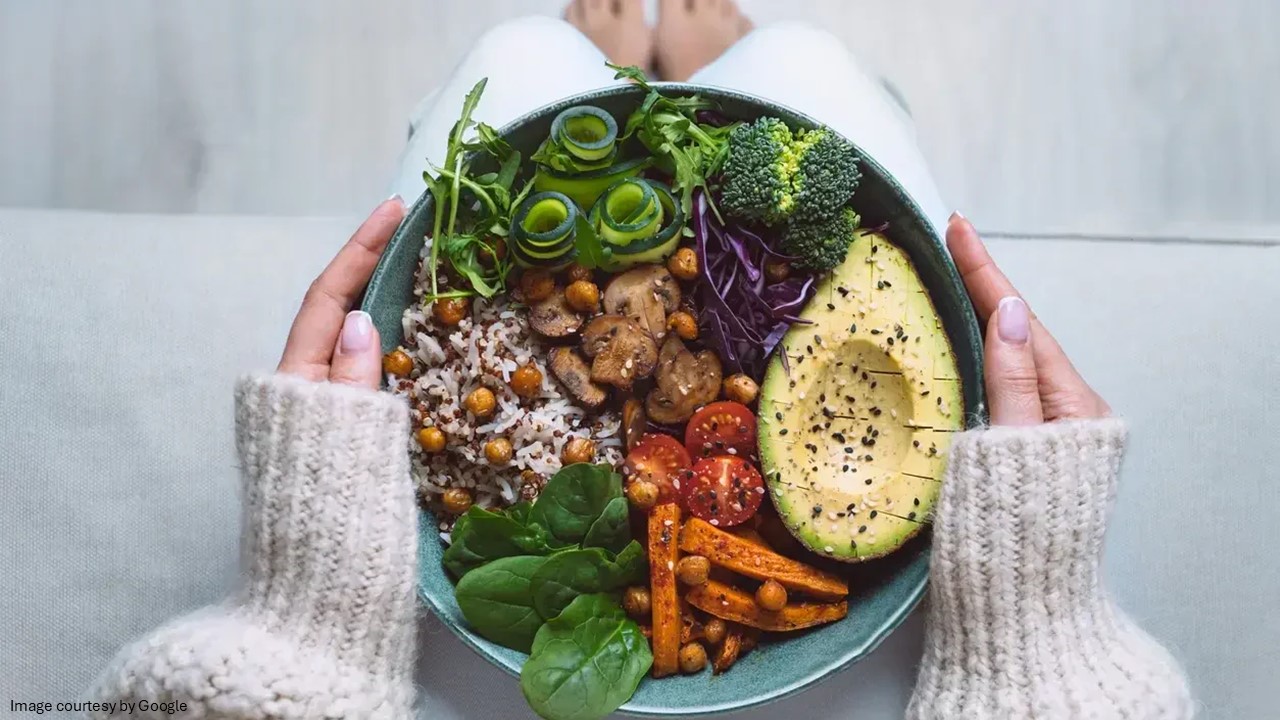
When it comes to a healthy eating plan for life, well, it starts with your meal plate. The easiest way to begin eating healthy food of life is by creating a balanced meal plate. A healthy eating plan for life should include:
• Make half of your plate filled with vegetables and fruits. Aim for colour and variety, and avoid adding potatoes, as they don’t count as vegetables on a healthy eating plate due to their impact on blood sugar.
• One quarter of your meal plate should be filled with whole grains like wheat berries, barley, whole wheat, oats, quinoa, brown rice, and foods made with them. Such foods had a milder effect on blood sugar than other refined grains.
• For protein power, one quarter of your plate should be filled with foods like beans, nuts, poultry, and fish to build and repair tissues.
• Pick healthy plant oils like canola, olive, sunflower, corn, and peanut in moderation. Healthy fats support heart and brain health. Avoid partially hydrogenated oils, which contain unhealthy fats.
• When it comes to having liquids, skip sugary drinks and limit dairy products to one to two servings a day. In addition, limit juice to a small glass per day. Moreover, many overlook water when thinking about nutrition, but staying hydrated is just as important as eating healthy for life. Water is crucial for transporting nutrients, flushing out toxins, and maintaining body temperature. One should drink at least eight glasses of water a day.
Your healthy eating plate should be accompanied by regular physical activity performed each day, which will help with weight control.
Smart snacking is key!
Smart snacking can help you stay energised and prevent overeating during meals. Snack on a combination of protein, fibre and healthy foods like:
• Apple slices with peanut butter
• Nuts and seeds
• Greek yoghurt with berries
• Whole-grain toast with avocado
• Hummus with veggie sticks
These healthy snacking options not only make you feel full but also help stabilise blood sugar and provide long-lasting energy.
Best foods of life
Here are the top foods of life you need to include in your diet. Start stocking your fridge!
1. Broccoli
Broccoli is a bunch full of cancer-fighting antioxidants, with a bonus of beta-carotene. It also contains essential vitamin C, which supports your entire immune system. In addition to these benefits, this amazing green vegetable reduces the risk of cataracts and heart-related diseases. This vegetable is a smart shield for our bodies.
2. Beetroot
Beetroot fights against anaemia. It increases the blood count in the body. Most essentially for the production and maintenance of new cells, beetroot plays a vital role. This vegetable can be served as a salad after the meal, since it improves the blood flow and keeps your heart healthy.
3. Carrot
Carrot is the powerhouse of vitamin A. This amazing vegetable contains beta carotene, which is very helpful for our eyes. It also keeps the body energetic and active. Munch a carrot next time you feel low, and see the effect —it will amaze you for sure.
4. Tomato
Now this amazing fruit cum veggie is a powerful agent packed with lycopene acid, which makes it fight stronger against cancer cells. For those who want to lose weight, they must keep a tomato handy; it will do wonders.
5. Kale
Kale is a leafy green vegetable containing vitamin K. Consuming it once a week can help relieve constipation. This vegetable is an ultimate source of antioxidants and phytonutrients, which fight cancer. If you are still worried about how you will eat this ugly-looking leafy vegetable, try making chips from it; even your little ones will love them.
6. Eggplant
We all know eggplants are high in antioxidants, but did you know they help lower blood pressure and reduce weight? Remember not to peel the skin; you may miss out on ample amounts of antioxidants.
Raw vegetables contain a high amount of protein and vitamins. Make sure you wash the vegetables thoroughly before consumption. Give them a try and see a noticeable difference in a few weeks.
Takeaway!
Every meal you eat is an opportunity to add more nourishment to your body. So don’t miss a single chance —eat good for life. Add more fruits, vegetables and nuts to your diet; they’re considered the best food for lifelong energy. From better blood sugar control to a healthier heart, there are many benefits of eating good food. Your aim should be eating healthy for life whenever your mealtime arrives. Focus on eating healthy, nourishing foods for a better life.