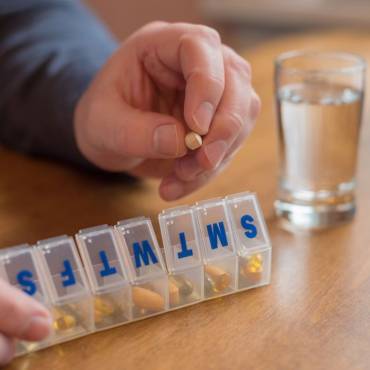
If you have to mean diagnosed with Osteoporosis, your physician will probably suggest you make dietary, and lifestyle changes. The aim of Osteoporosis treatment is to strengthen bones and prevent fractures.
Osteoporosis and its symptoms
Osteoporosis is a disorder of bone in which the bones become weak, brittle, and more likely to break. The disease takes years to develop without any signs and symptom that’s why it is called as a silent killer. In this condition, bone mineral is gradually lost, making the bone more prone to fractures. A broken bone may affect your overall quality of life. Osteoporosis occurs when there is a loss of calcium as well as the structural framework of bone.
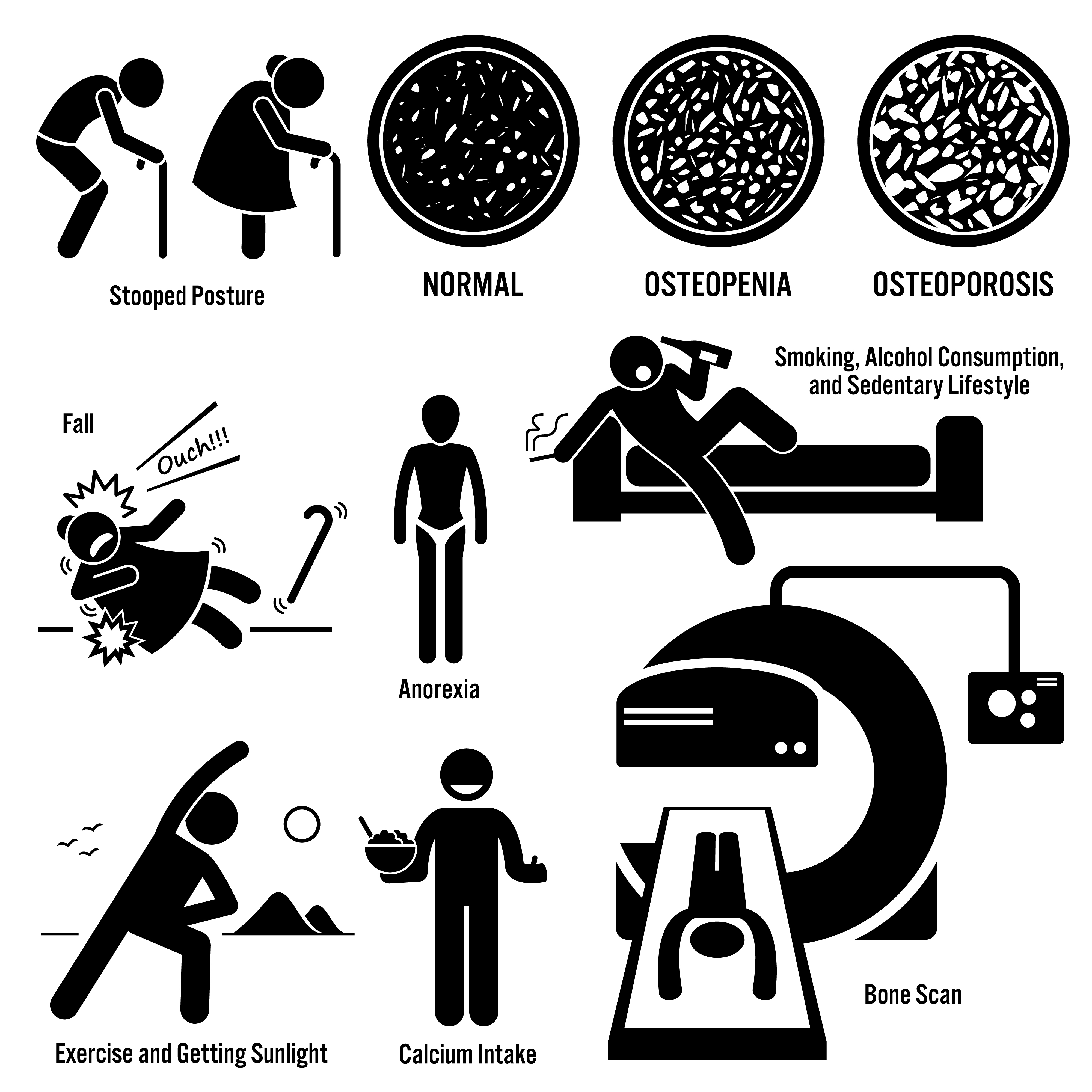
The loss of calcium content of the bone is known as a loss of bone mineral density. It may cause severe pain and may make you disable. It makes it harder to do even the daily, simple tasks, such as walking and cooking. The bone disorder can affect all bones in your body. However, the fracture is more likely to occur in the spine, wrist, and hip. These are the bones that help you to stand and sit. A fracture in any of the above these bones makes day to day activities like bending forward, lifting objects or climbing stairs harder than ever. Signs of osteoporosis may include:
Also Read: Diphtheria is Deadly; Immunization is the First Step Towards Prevention
- Reduction in your height (more than 1 inch)
- Curved spine
- Unexplained back pain
- Sloping shoulder
- Protruding abdomen
- Hunched posture
It is important to visit a healthcare specialist if you notice any of these Osteoporosis symptoms.
Causes of Osteoporosis
Osteoporosis affects over 200 million people around the world. It can develop in both men and women at any age, but it is most common in older women. The problem is sometimes associated with postmenopausal women.
The risk factors that make people likely to develop this bone disorder may include:
- Family history- If any of your parents had Osteoporosis, a dowager’s hump, or experienced fractures indicate low bone mineral density in your family.
- Calcium and vitamin D levels in your body– Adult people are advised to take at least 1000 mg of calcium daily through a calcium-rich diet. The total intake may increase up to 1300 mg daily for women over 50 years and men over 70 years. A lack of sun exposure may make you vitamin D deficient. Vitamin D is an essential nutrient that our body requires to absorb calcium and to maintain muscle strength.
- Medical history- Certain health conditions and medicines can negatively affect your bone health.
- Low hormones level in men and women
- In men- Testosterone
- In women: early menopause
- Health Conditions that leads to malabsorption, for example, inflammatory bowel disease, celiac disease, etc.
- Some chronic disorders such as rheumatoid arthritis, kidney, or liver disorders
- Problems related to thyroid. These may include overactive thyroid or parathyroid.
- Use of corticosteroids for the treatment of rheumatoid arthritis, asthma, and other inflammatory conditions.
- Other drugs to treat carcinoma of the breast, epilepsy, depression and prostate cancer.
- Lifestyle factors- Certain lifestyle factors such as smoking, drinking too much alcohol, not getting enough exercise, a diet low in dairy products, or lack of sun exposure may be the cause of your problem.
If you have any of the above risk factors for the bone disorder, it is necessary to consult with a certified physician.
Diagnosis and treatment
Osteoporosis can be diagnosed by measuring the amount of calcium by a special X-ray technique called Dual energy X-ray absorptiometry scan. Once you have been diagnosed with Osteoporosis, your goal is to decrease pain, prevent fractures, and maintain function. A combination of treatments should be considered, including medical interventions, physical therapy, exercise, and psychological support. Osteoporosis treatments may include:
- Lifestyle changes
- Calcium and vitamin D supplements
- Exercise regimens according to the patient abilities
- Osteoporosis medications that are proven to stop further bone loss
Analgesics that are useful in treating Osteoporosis are as follows:
- Simple analgesics
- Strong opioids
- Nonsteroidal anti-inflammatory drugs (NSAIDs)
- Antiepileptics, tricyclic antidepressants, and serotonin reuptake inhibitors
Other major pharmacological interventions that have been shown to reduce the vertebral fracture are:
- Parathyroid hormone peptides (Teriparatide) – It helps to regulate the calcium levels in the body, which in turn stimulated the formation of bones.
- Denosumab- It functions by blocking the cell formation that is responsible for the breakdown of a bone.
- Raloxifene- An artificial hormone that functions by copying the effects of estrogen on your bones. Bisphosphonates, and strontium ranelate.
All these Osteoporosis medications are given along with calcium and vitamin D supplements. If you are a male and you, have been diagnosed with Osteoporosis, which is probably due to low levels of testosterone in the body. In this condition, your physician may suggest you a testosterone replacement therapy.
Also Read: Fighting Hair Loss to Lead a Happy Normal Life Again
Start a treatment only after consulting with an expert and take medicines exactly as prescribed to you. If you follow all these Osteoporosis treatment guidelines, then you will be able to get rid of your bone problem.