In today’s fast-moving world, self-medication has become extremely common. Many people choose to manage headaches, stress, insomnia, anxiety, body pain, acidity, or infections without consulting a healthcare professional. Some use over-the-counter medicines, while others depend on leftover prescriptions, herbal remedies, sleeping pills, alcohol, or recreational substances to feel better quickly. Although self-care for mild symptoms may seem harmless, improper self-medication can gradually lead to serious physical and mental health problems that may eventually require professional alcohol and drug treatment.
Health experts warn that unsupervised medicine use can result in addiction, organ damage, incorrect diagnosis, harmful drug interactions, and delayed medical care. In many cases, people fail to recognise the early signs of medication misuse until dependency becomes severe. Understanding these warning signs is essential for protecting long-term health and avoiding the need for intensive alcohol and drug treatment later.
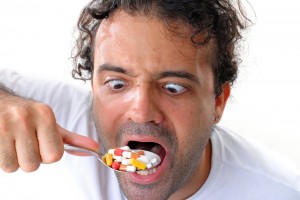
Below are 10 important signs that your self-medication habits may be becoming dangerous.
- You increase the dosage without medical advice
One of the earliest signs of unhealthy self-medication is increasing the dosage on your own. Initially, a medicine may relieve pain, anxiety, or insomnia effectively. Over time, however, the same amount may no longer seem sufficient. Instead of seeking medical advice, many individuals take more tablets, stronger medicines, or combine multiple substances.
This pattern is especially common with painkillers, sedatives, sleeping pills, anxiety medications, and even alcohol. Gradually, the body develops tolerance, meaning larger amounts are needed to achieve the same effect. This increases the risk of overdose, liver damage, kidney problems, and drug dependency.
Repeated dosage escalation is often one of the earliest warning signs that a person may eventually require alcohol and drug treatment to regain control over substance use.
- You depend on one specific medicine or substance frequently
Another major red flag is emotional or physical dependence on a specific medicine or substance. Some individuals constantly rely on cough syrups, pain relievers, sleeping aids, stimulants, alcohol, or anti-anxiety medicines to function normally.
What starts as occasional relief can slowly become a psychological habit. A person may begin believing they cannot sleep, work, relax, or handle stress without the substance. This type of dependency can quietly develop into addiction over time.
Healthcare professionals involved in alcohol and drug treatment often observe that dependency usually begins with seemingly harmless habits. Frequent reliance on any substance for emotional comfort or stress relief should never be ignored.
- You continue taking medicines even after recovery
Many people continue using medicines long after symptoms improve. This behaviour is especially common with antibiotics, nasal sprays, painkillers, sleeping tablets, and anxiety medications. Some individuals assume prolonged use will prevent illness from returning, while others continue because the medicine provides emotional comfort. Unfortunately, prolonged, unnecessary use can lead to serious complications. Overusing antibiotics contributes to antibiotic resistance, while excessive painkiller use may cause stomach ulcers, liver toxicity, or kidney damage.
Similarly, regular alcohol consumption after emotional stress or illness recovery may gradually become habitual and dangerous. Persistent misuse of substances often becomes a contributing factor in alcohol and drug treatment programs.
- You avoid visiting a doctor despite persistent symptoms
One of the biggest dangers of self-medication is delaying professional diagnosis and treatment. Many people repeatedly suppress symptoms with medicines, alcohol, or other substances instead of identifying the actual cause of their health issue. For example, recurring headaches may indicate migraines, hypertension, or neurological conditions. Ongoing fatigue could be linked to thyroid disorders, depression, or nutritional deficiencies. Stomach pain might signal ulcers, digestive disease, or liver problems.
Temporary symptom relief can create a false sense of recovery while the underlying condition worsens silently. Delayed diagnosis is one of the leading complications associated with self-medication and substance misuse.
Medical professionals specialising in alcohol and drug treatment frequently stress the importance of early intervention before dependency and health complications become severe.
- You experience physical side effects regularly
Unsafe self-medication often causes visible physical symptoms. Common warning signs include:
- Constant drowsiness
- Insomnia
- Dizziness
- Bloodshot eyes
- Weight fluctuations
- Digestive issues
- Fatigue
- Rapid heartbeat
- Poor concentration
- Tremors
- Frequent nausea
People who mix medicines with alcohol are at even greater risk of harmful drug interactions. Certain combinations can suppress breathing, affect heart function, or damage internal organs. Ignoring these physical changes may allow addiction or dependency to progress further, eventually making alcohol and drug treatment necessary for recovery.
- Your mood and behaviour start changing
Behavioural changes are often strong indicators of unhealthy substance use. Individuals involved in problematic self-medication may become:
- Irritable
- Secretive
- Emotionally unstable
- Socially withdrawn
- Unmotivated
- Aggressive
- Depressed
- Anxious
Performance at work or school may decline, relationships may suffer, and hobbies may lose importance. Some individuals also begin using substances specifically to cope with emotional stress, loneliness, trauma, or anxiety.
Mental health professionals recognise these patterns as early indicators of emotional dependency. When medicines, alcohol, or drugs become coping mechanisms instead of medical tools, professional alcohol and drug treatment may eventually be required.
- You frequently use antibiotics without a prescription
Antibiotic misuse is one of the most dangerous forms of self-medication globally. Many individuals purchase antibiotics without a prescription or use leftover medicines from previous illnesses, unaware of whether the infection is bacterial or viral. Incorrect antibiotic use contributes to antimicrobial resistance, making future infections much harder to treat. Stronger medicines and longer recovery periods may then become necessary.
Additionally, some individuals combine antibiotics with alcohol or other substances without understanding the health risks involved. Such unsafe practices can lead to serious side effects and reduced treatment effectiveness.
- You search excessively for medicines online
The internet has made health information widely available, but it has also increased the risks of self-diagnosis and self-treatment. Many people rely on online forums, social media videos, or random websites to select medicines without professional guidance.
Online information can sometimes encourage unsafe experimentation with sleeping pills, stimulants, anxiety medicines, or alcohol-based remedies. Inaccurate health advice may lead people to misuse medications or ignore serious symptoms. Healthcare providers involved in alcohol and drug treatment frequently report that misinformation online contributes significantly to medication misuse and addiction patterns.
Online research should support professional healthcare — not replace it.
- You feel anxious when medicines or alcohol are unavailable
A strong warning sign of dependency is feeling stressed, nervous, or emotionally uncomfortable when access to certain medicines, alcohol, or substances is limited.
Some individuals begin stockpiling medicines at home or visit multiple pharmacies to obtain specific drugs. Others panic when their preferred substance is unavailable. This behaviour often indicates psychological reliance and possible addiction. Dependency can develop slowly, making it difficult for individuals to recognise the seriousness of the problem. Over time, substance-seeking behaviour may interfere with daily responsibilities, relationships, and mental health.
At this stage, professional alcohol and drug treatment may become necessary to break the cycle safely.
- You become defensive about your habits
When family members or friends express concern, individuals struggling with unhealthy self-medication often react defensively. They may deny the issue, become angry, hide medicines, or justify excessive substance use. Defensive behaviour commonly appears when a person subconsciously realises their habits are becoming unhealthy. Secrecy, denial, and irritability are all recognised signs of developing dependency.
Experts in alcohol and drug treatment note that acknowledging the problem is often the first and most important step toward recovery.
Why self-medication can become dangerous?
Although self-medication may initially appear convenient, it carries several hidden dangers. These include:
- Incorrect diagnosis
- Drug dependency
- Addiction
- Organ damage
- Harmful drug interactions
- Delayed treatment
- Mental health complications
- Increased overdose risk
- Antibiotic resistance
Combining medications with alcohol or recreational substances increases these risks even further. Older adults, pregnant women, teenagers, and people with chronic illnesses are especially vulnerable to complications.
Even common over-the-counter medicines can become dangerous when used improperly or excessively.
The connection between self-medication and alcohol and drug treatment
Many addiction problems begin with casual self-medication. People often start using substances to manage stress, insomnia, anxiety, emotional trauma, or chronic pain. Over time, occasional use can develop into physical or psychological dependence.
Professional alcohol and drug treatment programs help individuals safely recover from substance misuse through medical supervision, counselling, behavioural therapy, and long-term support. Early intervention significantly improves recovery outcomes and prevents serious health complications.
Seeking help is not a sign of weakness. It is an important step toward restoring physical health, emotional stability, and overall well-being.
How to practice safe medication habits?
Practising responsible medication use can help prevent long-term complications and reduce the risk of addiction. Here are some important safety tips:
- Consult a doctor for recurring or persistent symptoms
- Avoid using leftover prescription medicines
- Never share medications with others
- Follow dosage instructions carefully
- Complete antibiotic courses properly
- Read warning labels and side effects
- Avoid mixing medicines with alcohol
- Inform healthcare providers about all medications and supplements you use
- Do not rely solely on internet advice for treatment decisions
- Seek professional help if dependency develops
Safe healthcare decisions protect both physical and mental health.
Benefits of choosing online medicine delivery
Buying alcohol and drug treatment medicines online can be beneficial because it offers convenience, privacy, competitive pricing, easy prescription refills, and access to authentic medications delivered discreetly to your doorstep. Naltima 50 mg is a prescription medicine containing naltrexone, commonly used in alcohol and drug treatment programs to help reduce cravings and prevent relapse in individuals recovering from alcohol dependence or opioid addiction. It works by blocking the pleasurable effects of addictive substances, supporting long-term recovery and behavioural therapy. Another drug that helps treat alcohol dependence is Esperal 250mg. Consult your doctor to find the best medicine and strength that will help you overcome alcohol addiction. AllDayChemist delivers authentic medicine supplies to your doorstep at affordable prices. Reach out to the customer support team at AllDayChemist if you have any queries about placing an order, payment methods, or delivery.
Final thoughts
Self-medication has become increasingly common due to busy lifestyles, easy access to medicines, and widespread online health information. While occasional self-care for minor symptoms may seem harmless, repeated misuse of medicines, alcohol, or substances can lead to addiction, serious health complications, and emotional distress. Recognising the early warning signs is extremely important. If you notice dependency, behavioural changes, dosage escalation, or emotional reliance on substances, seeking professional guidance early can prevent the situation from worsening.
Professional alcohol and drug treatment can provide the medical care, emotional support, and recovery strategies needed to regain control and improve quality of life.
Your health deserves expert care, informed decisions, and responsible treatment—not risky guesswork.