
Hypothyroid vs Hyperthyroid – Know the Difference
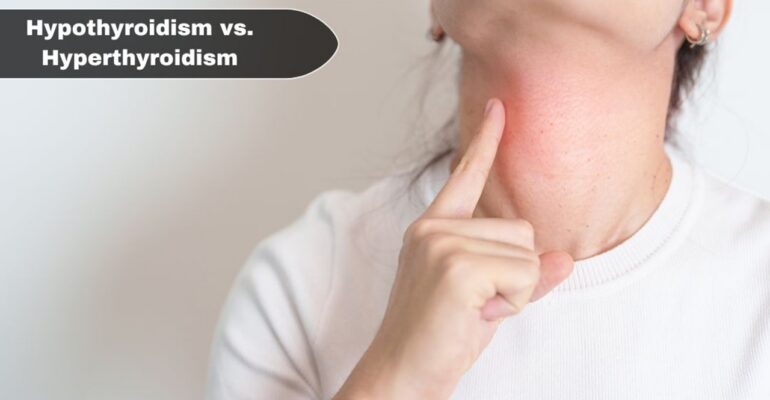
Disorders of thyroid function are common in primary care and a contributing factor in critical illness. The blog post provides an overview of thyroid disorders, focusing on hypothyroidism vs hyperthyroidism, including thyroid disorder symptoms, causes, and management.
Introduction: An overview of the thyroid disorders
The thyroid gland produces hormones that help regulate metabolism (chemical processes that provide body cells with the energy required to carry out their functions) and body temperature, as well as promote normal growth in children. So, if your thyroid malfunctions, it may trigger a chain reaction of unwanted symptoms throughout your body. Data suggests that thyroid diseases affect about 20 million Americans, but many people who have this condition are unaware of the fact that they have it. The two most common types of thyroid disorders are hypothyroidism and hyperthyroidism. Well, they sound about the same, but they are very different. Understanding the difference between hypothyroidism and hyperthyroidism can help individuals recognise the signs of thyroid problems.
Types of thyroid disorders, causes & symptoms
Let’s explore the two main categories of thyroid disorders – Hypothyroidism and hyperthyroidism to help you find hypothyroidism vs hyperthyroidism symptoms and understand the differences.
Hypothyroidism
What is hypothyroidism? Well, medically, hypothyroidism is termed a state of low circulating thyroid hormones. Contributing causes for this condition include those that affect the thyroid gland directly, reducing its ability to make enough hormone. In rare cases, a secondary condition, such as a pituitary gland tumour, blocks the pituitary’s production of TSH (thyroid-stimulating hormone). Low circulating hormone levels, also called hypothyroidism, ultimately slow many physical and mental processes. Severe form of hypothyroidism called myxedema coma is a medical emergency that requires immediate medical treatment with thyroid hormone and ICU (intensive care unit admission.
Hypothyroidism causes: Primary causes include:
• Hashimoto’s disease (autoimmune thyroiditis)
• Surgical removal of the thyroid gland
• Iodine deficiency
• External radiation
• Thyroid ablation with radioactive iodine
• Too little thyroid medication
• Temporary inflammation of the thyroid gland
• Exposure to certain medications (amiodarone, thalidomide, lithium)
Secondary hypothyroidism causes are:
• Rare conditions associated with impaired stimulation of the thyroid gland by the pituitary
• Pituitary-based deficiencies
• Pituitary adenoma
Hypothyroidism symptoms: Common signs and symptoms of inadequate thyroid hormone levels include slow metabolism, low body temperature, puffy face, weight gain, reduced heart rate, thinning hair, constipation, irregular/heavier menstrual periods, depression, stiff/painful joints and muscles. Individuals dealing with hypothyroidism tend to have slow body functions, resulting in increased weight, fatigue, and depression.
Also Read: Hypothyroidism & Mental Health: The Surprising Connection
Hyperthyroidism
What is Hyperthyroidism? Hyperthyroidism is the opposite of hypothyroidism, i.e., a state of elevated circulating thyroid hormones due to excessive production by the thyroid gland or other sources. Overproduction of thyroid hormones results in thyrotoxicosis, with thyroid storm being the most severe form. Thyroid storm rarely happens in patients with or without preexisting hyperthyroidism, and its causes include trauma, myocardial infarction, surgery, or an infection. Thyroid storm is classified as a medical emergency that requires immediate use of medications that restrict the secretion of thyroid hormones and management of systemic illness.
Hyperthyroidism causes: Common causes of hyperthyroidism include thyroid tumour, abnormal secretion of thyroid-stimulating hormone (TSH), excessive intake of thyroid hormones, thyroiditis, and excessive iodine intake or iodine-containing medicines such as amiodarone.

Hyperthyroidism symptoms: Hyperthyroidism, also called overactive thyroid, can lead to symptoms such as anxiety, weight loss, rapid heart rate, hand tremors, irritability, brittle skin, nervousness, loose stools, heat sensitivity, fatigue, sleep problems, and irregular/ lighter menstrual periods. If you develop any of these hyperthyroidism symptoms, a healthcare specialist can perform blood tests to measure the levels of thyroxine and thyroid-stimulating hormone you’re producing, and a nuclear thyroid scan may also be conducted to collect more information for an accurate diagnosis.
Hypothyroidism vs hyperthyroidism symptoms: Although both thyroid disorders are believed to affect the production of hormones, their symptoms differ from each other because of their effects on metabolism. Hypothyroidism, as mentioned above, tends to slow down the body’s functions, leading to fatigue, constipation, weight gain, and cold intolerance. The body slows down, leading to reduced energy and slowed physical processes. Whereas hyperthyroidism speeds up bodily processes, leading to symptoms such as a rapid heart rate, increased sweating, and intolerance. Many bodily processes become overactive, causing individuals to feel restless and overstimulated. Learning facts related to hyperthyroidism vs hypothyroidism helps you understand possible thyroid problems and seek timely medical evaluation.
Read More: Learn About Different Hypothyroid Medications!
Treatment considerations
Hypothyroidism treatment: Treatments for hypothyroidism are lifelong and typically include the use of a synthetic thyroid hormone called levothyroxine to improve the hormone level. Generally, once-daily dosing is required. Once your appropriate hormone levels are restored, you should notice a reversal of hypothyroidism symptoms. Here, it is important to note that it takes a while for your body to adjust the hormone levels once again, so you may experience temporary appetite issues or sleep problems, as well as minor heart palpitations. Thyroid replacement should be adjusted based on each patient’s condition, as small changes in dose can rapidly lead to an imbalance.
Hyperthyroidism treatment: There is no cure for hyperthyroidism, but several treatments are available to help relieve symptoms.
Hyperthyroidism treatment should include:
Medications
1. Beta-blockers: These help to alleviate symptoms such as tachycardia, anxiety, tremors and palpitations. Antithyroid medicines like methimazole and propylthiouracil reduce thyroid synthesis and may suppress white blood cell production.
2. Radioactive iodine: A one-time oral treatment that removes the hyperactive gland. One of the main complications related to this treatment is permanent hypothyroidism.
3. Surgery: It helps remove the thyroid tissue that produces too much thyroid hormone. One of the major complications associated with surgery is disruption of surrounding tissue, which includes accidental removal of parathyroid glands, ultimately causing low calcium levels requiring immediate calcium replacement.
AllDayChemist offers several medications for managing thyroid disorders. For hypothyroidism, levothyroxine-based medicines like Thyronorm in strengths of 25 mcg, 50 mcg, 75 mcg, and 150 mcg help replace deficient thyroid hormones and restore normal metabolism. For hyperthyroidism, antithyroid drugs such as methimazole (Methimez 5mg) and carbimazole (Neomercazole 5mg) are commonly available, which work by reducing excess hormone production. These treatments help control symptoms and maintain balanced thyroid function under proper medical supervision. If you suspect you are suffering from either hypothyroidism or hyperthyroidism, make an appointment with a healthcare specialist to confirm the diagnosis or to get rid of their unwanted symptoms.