Why belly fat increases after 35 in Women: Risks, causes and management
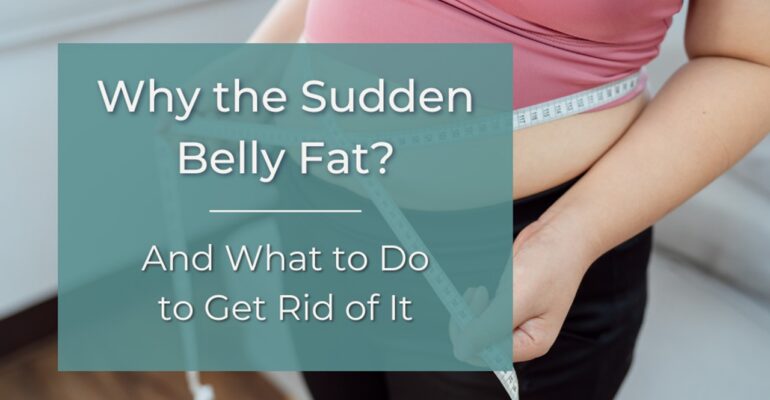
Weight gain after 35 in women is extremely common, but understanding the causes can help women manage it effectively and protect their overall health. If you have been wondering how to lose belly fat after 35, then you have turned to the right page. This blog post explains the root causes of abdominal fat in women.
Understanding midlife weight gain in women
Most women experience a frustrating change in their body composition after the age of 35. Even following a healthy lifestyle, doing exercise and clean eating, jeans begin to feel tighter around the waist, and fat starts growing around the abdomen. This is known as midlife weight gain in women, which is due to a combination of hormonal changes, lifestyle factors, stress and a slow metabolism. Growing fat around the abdomen is not just a beauty concern; excess fat is associated with many health concerns, including diabetes, heart disorders, hormonal imbalance, and metabolic disorders. Knowing the reasons and risks around this helps manage and reduce stubborn belly fat in women.

Why does belly fat generally appear after 35
After the age of 35, subtle hormonal changes occur in a woman’s body and estrogen levels start swinging long before menopause begins. Estrogen is an important hormone for regulating fat, and its decline triggers fat storage to shift toward the belly. At the same time, muscle mass is reducing, and since muscle tissue burns more calories than fat tissue, the body’s metabolic rate slows down. This led women to burn fewer calories at rest than they did in their twenties. Even a small increase in calorie intake can lead to significant belly accumulation. As age increases, a woman’s body becomes less efficient at processing glucose, and higher insulin levels increase fat storage. These reasons led to sudden midlife weight gain in women despite no dramatic lifestyle changes. Let’s find out other reasons for weight gain in women.
-
Hormones play an important role in fat accumulation
Hormones influence body weight and fat distribution. Estrogen, progesterone, cortisol, thyroid hormones, and insulin all play interconnected roles in the gradual increase of belly fat in women.
During the pre menopause phase after the age of 35, estrogen fluctuation increases cravings, water retention and fat accumulation. Lower estrogen reduces the body’s capability to regulate appetite and maintain lean muscle mass. This leads to significant fat storage around the stomach in women. The stress hormone, cortisol, plays an important role in weight gain. Chronic stress causes the adrenal glands to release excess cortisol, which stimulates the body to store fat around the belly region. High cortisol increases sugar cravings and triggers emotional eating, creating a cycle that becomes difficult to break. With increasing age, thyroid function decreases, leading to a slower metabolism. Even a slight change in thyroid function can contribute to fatigue, reduced calorie burning, and increased abdominal weight gain.
-
Stress can lead to the storage of belly fat
A modern woman manages various responsibilities simultaneously. Chronic stress has become part of life and causes abdominal weight gain. Due to prolonged stress, cortisol levels remain elevated, signalling the body to conserve energy and store fat, particularly around the midsection. That’s why fat accumulates around the stomach. Stress affects sleep quality, worsening weight gain. Inadequate sleep in the long term also worsens cortisol imbalance, further contributing to stress belly in women. Stress causes emotional eating. For many women, food acts as a coping mechanism, especially sugary and processed foods that temporarily boost serotonin levels. With these habits, fat storage around the belly becomes more likely.
-
Lifestyle factors also play major roles in the growth of belly fat
Lifestyle choices play important roles in the development of belly fat after 35. Sedentary routines and overeating are the biggest contributors. As work and responsibilities increase, women become less physically active, leading to fat accumulation, especially around the belly. Another overlooked factor is reduced protein intake, which decreases strength and leads to less physical activity. This causes more fat growth.
-
Various risks are associated with increased weight gain
Belly fat is not just a cosmetic concern; it can also lead to various diseases. Excess fat around the internal organs is dangerous because it releases inflammatory chemicals and hormones that harm overall health. This increased the risk of type 2 diabetes by contributing to insulin resistance. Cardiovascular disease risk increases significantly due to elevated cholesterol, blood pressure and inflammation. The fat around the stomach causes fatty liver disease, sleep apnea, joint problems, and hormonal disorders such as polycystic ovary syndrome (PCOS). These diseases cause mental health concerns. Increased weight leads to low self-esteem, confidence, and emotional instability. Many women feel frustrated when traditional dieting methods stop working after 35, leading to cycles of restrictive eating and disappointment.
Also Read: Benefits of Yoga for Weight loss
How to reduce belly fat naturally after 35?
Most women search for quick fixes for losing belly fat after 35. But they must understand that sustainable changes are far more effective than extreme diets or detox trends. So, how to lose belly fat after 35, let’s find out below:
The first step is to improve nutritional quality. A balanced diet rich in fibre, lean protein, healthy fats, and antioxidants helps stabilise blood sugar and reduce inflammation. Vegetables, fruits, pulses, nuts, eggs, fish and whole grains help in hormonal balance and satiety. The other important thing to do is to reduce refined sugar and processed carbohydrates. These foods trigger insulin spikes and promote fat storage. Eating balanced food with enough protein can help control cravings and preserve muscle mass. Along with cardio, start doing strength training to build lean muscle, which boosts metabolism. Combining cardio and strength training is highly effective for reducing abdominal fat.
Sleep management and stress management are also very important for reducing belly fat. Consistent sleep schedules can improve hormone regulation and appetite control. Stress management with meditation, deep breathing, journaling and mindfulness is important. Reduced stress can help manage cortisol and reduce belly fat.
Also Read: The Best 10 Exercises for Weight Loss
Importance of hormonal health
Most women don’t know about the biological changes happening in their bodies. Hormonal health deserves attention during midlife. Women facing rapid abdominal weight gain, fatigue, irregular periods or severe mood changes should consider consulting physicians. Diagnosing and then managing the underlying conditions can help reduce belly fat. It is important to avoid extreme calorie restriction. Following a nourishing diet is more effective in reducing belly fat.
Also Read: Obese Rate Is Increasing, Experts Warn!
Conclusion
Weight gain after 35 in women is very common, but it is not inevitable or impossible to manage. There are various factors associated with weight gain, such as hormonal changes, slower metabolism, stress, reduced muscle mass and lifestyle shifts. The good news is that women can regain control through sustainable habits focused on nutrition, strength training, proper sleep routine, stress management and hormonal health. It is important to understand how the female body changes with age and then identify different strategies to reduce belly fat. Rather than chasing unrealistic beauty standards or quick-fix diets, women should focus on building long-term wellness. Managing fat around the stomach in women is not only about appearance but also about protecting long-term health, confidence, and quality of life.