Triple Combination Melasma Creams — Skin Lite vs Tri-Luma vs Melamet
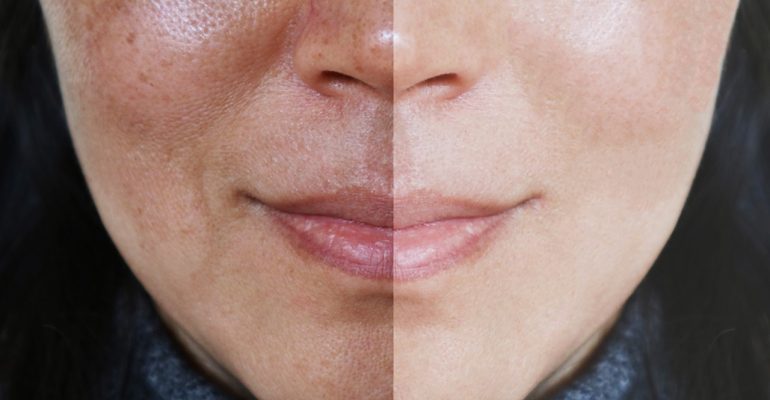
When hydroquinone alone doesn’t deliver results, dermatologists often turn to triple combination therapy, a single cream that blends three active ingredients into one formula. A combination cream tends to work faster and more thoroughly than single-agent treatments, as it targets melasma from three angles simultaneously. On AllDayChemist, three of the most commonly prescribed options are Skin Lite, Tri-Luma, and Melamet. They sound similar, and in some ways they are, but the small differences between them can matter a lot depending on your skin and treatment goals. Here’s the breakdown of each formulation.
What is triple combination melasma cream therapy?
The concept behind triple combination creams traces back to a formula developed decades ago by dermatologist Dr Albert Kligman, who found that combining a depigmenting agent, a retinoid, and a mild corticosteroid produced faster, more consistent results for melasma than any single ingredient alone. Each component plays a distinct role. A depigmenting agent, almost always hydroquinone, blocks the enzyme tyrosinase, which skin cells need to produce melanin. A retinoid, typically tretinoin, speeds up cell turnover, helping pigmented cells shed faster while also improving how well the other ingredients penetrate the skin. A mild corticosteroid helps calm the inflammation and irritation that hydroquinone and tretinoin can cause together, helping people stick with treatment instead of stopping early due to discomfort.
Skin Lite, Tri-Luma, and Melamet all use the same three-part concept, but they differ in ingredient strength, the specific steroid used, and where they’re manufactured.
Skin Lite: The standard triple combination cream
Skin Lite contains hydroquinone 2%, tretinoin 0.025%, and mometasone furoate 0.1%. It’s widely prescribed as a topical formulation as an accessible, effective option for moderate melasma, dark spots, freckles, and pigmentation linked to pregnancy or skin trauma.
The concentrations in Skin Lite are considered moderate, strong enough to produce visible fading while keeping the risk of irritation manageable for most skin types. It’s typically applied once nightly to clean, dry, affected skin, with visible improvement often appearing within a few weeks of consistent use.
Tri-Luma: The original, FDA-approved formula
Tri-Luma is an FDA-approved triple combination cream often considered the clinical benchmark against which other triple combination creams are compared. Its formula uses hydroquinone 4%, tretinoin 0.05%, and fluocinolone acetonide 0.01%, all noticeably stronger than Skin Lite’s, with fluocinolone acetonide serving as the corticosteroid instead of mometasone.
Because of these stronger concentrations, TriLuma cream is generally reserved for moderate-to-severe melasma, often for patients who haven’t responded well enough to gentler treatments. It’s approved for short-term use, typically for about 8 weeks, after which a doctor will usually recommend switching to a maintenance regimen. Its higher potency also increases the risk of irritation, dryness, and peeling in the first few weeks of use.
Melamet: An affordable alternative
Melamet shares the same active ingredient profile as Skin Lite: hydroquinone 2%, tretinoin 0.025%, and mometasone furoate 0.1%. Cadila Healthcare manufactures it and is essentially a generic-equivalent formulation of Skin Lite, offering the same three-part mechanism at a more accessible price point.
Because the composition is identical, Melamet and Skin Lite perform very similarly in terms of speed of results, side effect profile, and appropriate use cases. The main practical differences come down to manufacturer, packaging, and price, rather than the medicine itself.
Skin Lite vs Tri-Luma vs Melamet: Comparison
| Feature | Skin Lite | Tri-Luma | Melamet |
| Hydroquinone | 2% | 4% | 2% |
| Tretinoin | 0.025% | 0.05% | 0.025% |
| Corticosteroid | Mometasone furoate 0.1% | Fluocinolone acetonide 0.01% | Mometasone furoate 0.1% |
| Overall strength | Moderate | Highest | Moderate |
| Manufacturer | Various generic manufacturers | Galderma (branded, original) | Cadila Healthcare |
| Regulatory status | Prescription, widely available generic | FDA-approved original formula | Prescription, generic equivalent to Skin Lite |
| Best suited for | Moderate melasma, first-time triple therapy users | Moderate-to-severe or treatment-resistant melasma | Moderate melasma, budget-conscious treatment |
| Typical treatment length | Several weeks to a few months, as directed | Short courses, often around 8 weeks | Several weeks to a few months, as directed |
| Irritation risk | Moderate | Higher, due to stronger concentrations | Moderate |
| Price positioning | Affordable | Premium (original branded formula) | Most affordable |
Which one to choose?
If you’re starting triple combination therapy for the first time and have moderate melasma, Skin Lite or Melamet are sensible starting points, since their moderate concentrations tend to be easier on the skin while still delivering results that are meaningfully faster than hydroquinone alone. Between the two, the choice often comes down to budget and manufacturer preference, since the active ingredients are identical.
Tri-Luma makes more sense if your melasma is more severe, has resisted other treatments, or if your dermatologist wants to achieve faster, more dramatic results within a defined short-term window. It’s higher concentrations of hydroquinone and tretinoin, paired with a different steroid, make it a stronger option but also one that requires closer monitoring for irritation and is not intended for long-term, continuous use.
It’s also worth remembering that all three are prescription treatments. The best choice really depends on how severe your pigmentation is, how your skin has responded to previous treatments, and what your dermatologist recommends after examining your skin directly.

How fast does the triple combination melasma cream work?
One of the biggest draws of triple combination therapy is speed. Because the retinoid accelerates cell turnover while the depigmenting agent works in the background, most people notice some lightening within three to four weeks, which is noticeably faster than the four-to-six-week timeline typical of hydroquinone alone. More significantly, a visible improvement in overall skin tone and pigment intensity usually builds over 6 to 8 weeks of consistent nightly use.
Tri-Luma, given its higher hydroquinone and tretinoin concentrations, often produces the most dramatic short-term change, which is why it’s typically prescribed for an eight-week course rather than ongoing daily use. Skin Lite and Melamet tend to work at a similar, slightly gentler pace, given their matching formulas, making them a reasonable choice for people who want meaningful results without jumping straight to the strongest option.
Side effects common to all three
Because all three creams share the same three-ingredient formula, they also share a similar side-effect profile. Expect redness, mild burning or stinging, dryness, and flaking, especially during the first 2 to 4 weeks as your skin adjusts to the retinoid component. This initial “purge” phase is common and typically settles down as treatment continues.
The corticosteroid in each formula is included specifically to reduce this irritation, but it also means none of these creams is meant for indefinite daily use. Extended, unsupervised application of any steroid-containing cream can lead to skin thinning, visible small blood vessels, or a rebound flare of pigmentation once stopped. This is exactly why doctors prescribe these products in defined treatment cycles rather than as a permanent daily routine.
All three also carry a small risk of ochronosis, a rare paradoxical darkening of the skin, with prolonged or excessive hydroquinone use, which is another reason these treatments should be used only as long as directed.
How to use triple combination creams properly
Regardless of which one you’re prescribed, the application principles are largely the same. Apply a thin layer to clean, dry, affected skin once nightly, avoiding the eyes, lips, nostrils, and any broken or irritated skin. Give the cream time to fully absorb before applying anything else, and always follow up the next morning with a broad-spectrum sunscreen of SPF 30 or higher, since sun exposure can undo progress and increase skin sensitivity considerably.
Most dermatologists recommend patch-testing on a small area first, since these are potent, multi-ingredient formulas. It’s also important not to combine any of these creams with other strong actives, such as additional retinoids, exfoliating acids, or benzoyl peroxide, unless specifically instructed, since this raises the risk of excessive irritation.
Final thoughts
Skin Lite, Tri-Luma, and Melamet all rely on the same proven three-ingredient strategy for treating melasma, but they aren’t interchangeable in strength or intended use. Skin Lite and Melamet offer a gentler, more affordable entry point into triple combination therapy, with virtually identical formulas and performance. Tri-Luma sits a step above both in potency, making it the go-to option for more resistant cases, but it comes with a shorter recommended treatment window and closer monitoring.
Whichever option your dermatologist recommends, consistency, sun protection, and adherence to the prescribed treatment duration ultimately determine how well any of these creams work. AllDayChemist offers authentic melasma and acne products for safe skin recovery. Choose the one you are prescribed to start your treatment.
This article is for general educational purposes only and does not replace professional medical advice. Always consult a licensed dermatologist before starting Skin Lite, Tri-Luma, Melamet, or any prescription triple combination cream.