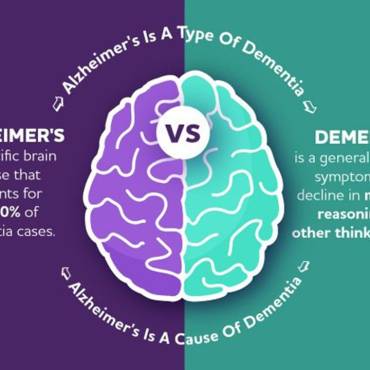
Unusual perceptions can create complexities in life; therefore, you must consult your health care specialist before starting treatment. Alzheimer’s disease is a neurological disease which occurs with growing age and gets worse over time. It is the initial symptom of dementia. The cause of the disease is still not fully understood, but scientists believe that 70% of the risk is genetic, with many genes usually involved. Other factors can involve a history of head injuries, depression, or hypertension.
The disease is associated with brain damage caused by tangles and plaques. The symptoms of Alzheimer’s disease can start with memory loss, and the symptoms get worse over time. The other symptoms of the disease include problems with language, disorientation, mood swings, loss of motivation, failure to manage self-care, and behavioural issues.
Myths about Alzheimer’s
There are various myths related to Alzheimer’s disease, which can lead to complexities in the proper management of the disease. Some of the common myths related to the disease are as follows:
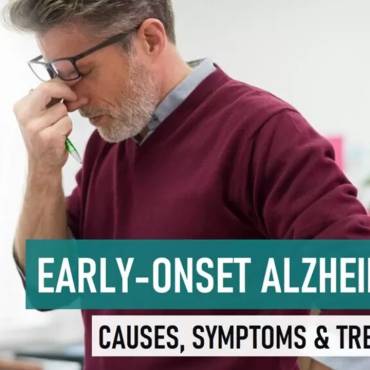
Myth 1- Alzheimer’s disease happens only to older people – A greater number of people with this disease are on the other side of 65 years, but that doesn’t mean that you can’t be affected by this disease at an earlier stage. About 5% of the people who are suffering from Alzheimer’s disease start showing symptoms in their 30s, 40s, or 50s, and this is known as early-onset Alzheimer’s. This myth leads to a late diagnosis of the disease till then it reaches a severe position from where it’s very tough to treat. The doctors also believe that Alzheimer’s can occur at midlife, and memory loss occurs due to stress. If Alzheimer’s disease is diagnosed at its early stage, it will be very easy to prevent further worsening of the symptoms.
Myth 2- The symptoms of Alzheimer’s are part of normal ageing – Memory loss may occur due to some other reasons, but ignoring it can always be harmful. So, when you forget everyday information and feel disoriented, you realise they are not just normal symptoms. They can be related to Alzheimer’s. Keep in touch with your doctor. If you experience memory loss, get yourself diagnosed before it gets too late.
Myth 3- The disease can never cause death – One of the biggest myths related to the disease is that it is one of the leading causes of death, and the death occurs after 8 to 10 years of diagnosis. The death occurs as the sufferer forgets to eat or drink, or they might have trouble swallowing. The disease leads the patient to a dangerous situation, which can be fatal.
Myth 4: Treatment for Alzheimer’s is available – There are some medications and therapies available to prevent the disease from getting worse, but there is no medicine to treat, stop or slow the symptoms of Alzheimer’s disease. There is no evidence that any medicines, supplements, or dietary regimens can stop or slow the disease itself. Some medications on the market can only prevent the disease from worsening.
Myth 5- Aluminium, silver filings, or aspartame – Many people believe that drinking from aluminium cans causes Alzheimer’s, but there is no scientific evidence which can prove this. Some people also believe that the artificial sweetener aspartame causes Alzheimer’s, and there is no proof for this. There is one more myth which states that vaccination can also cause Alzheimer’s.
Alzheimer’s disease treatment
There are no medicines or sound therapies that can properly cure this disease, but there are FDA-approved drugs that are used to prevent the deterioration of the disease. NSAIDs (non-steroidal anti-inflammatory drugs) can be used to prevent Alzheimer’s disease if used for a longer duration. These drugs are not effective for treatment, but they can help prevent inflammation and stop further brain degeneration. First of all, diagnosis is very important for Alzheimer’s disease care, so keep the symptoms in mind and consult your doctor if any appear. CT, MRI, PET, and SPECT scans can help diagnose the disease. When the diagnoses are done, your physician will prescribe you some medicines and therapies that can prevent further deterioration of the Alzheimer’s disease symptoms.
Also Read: Heart Attack- Know the risk
Prevention
The best way to treat any disease is prevention, and in the case of Alzheimer’s, prevention is most important, as there is no treatment for Alzheimer’s. First of all, always follow a healthy lifestyle and maintain a proper diet. Do exercise regularly. Eat nutritious food and engage in activities that use your brainpower; this will help you memorise things more effectively. People who follow a Japanese or Mediterranean diet have a lower risk of Alzheimer’s disease.
Treatment options and availability
Consulting a doctor is recommended if you experience memory loss and disorientation. Furthermore, if diagnoses are made at the right time, they can prevent further worsening by having the right medication for Alzheimer’s. Misconceptions and wrong information about Alzheimer’s disease often discourage people from religiously following the treatment as recommended by the healthcare professional. Here, it is important to note that prescription medicines are backed by clinical research and are specifically formulated to manage Alzheimer’s symptoms, such as restoring memory and supporting daily functioning for as long as possible. Avoid relying on unverified remedies and on unreliable sources. Trust your doctor and be sure to attend regular follow-up treatment. For individuals managing Alzheimer’s disease, having uninterrupted access to prescribed medications is extremely important.
AllDayChemist offers a smooth platform to purchase a broad range of Alzheimer’s medications, including authentic branded and generic versions. These include Admenta 5 mg, Admenta 10mg (generic for Namenda), Donep 10mg (generic for Aricept), Donep 5 mg, Rivamer 1.5 mg, Rivamer 3mg, Galamer 4 mg, Galamer 8 mg, and Donamen (5+10) mg for the management of Alzheimer’s disease. Affordable pricing reduces the financial burden, especially for long-term treatment, making it easier for the patient and caregiver to stay consistent with treatment. By sourcing Alzheimer’s medications from an established supplier, patients and caregivers can maintain uninterrupted access to their medications.

Conclusion
Alzheimer’s disease is surrounded by myths and misconceptions, which can delay diagnosis for some people, preventing them from timely medical care. Knowing these facts helps patients and caregivers recognise warning signs at an early stage, enabling informed decisions. While there is no cure for Alzheimer’s, appropriate treatment and healthy lifestyle choices with ongoing medical care can help manage symptoms and improve overall quality of life. In case of persistent memory problems, confusion, or changes in behaviour, consult a healthcare professional straight away, without dismissing them as a normal part of ageing.