
If you or a loved one experiences these subtle but possibly serious symptoms of confusion, memory loss, trouble concentrating, sleeplessness, etc., then talk to a doctor and discuss the medications for Alzheimer’s disease.
Did you ever enter a room, stand in one place, and then wonder what you were supposed to do? Have you ever forgotten to clean your teeth, lost your house keys, or forgotten where you have parked the car? Don’t worry, as sometimes memory slips are natural. Everyone at some point in their life experiences memory slips, but it turns into a matter of discussion when such things frequently happen to you or to someone you love; they may be early signs of Alzheimer’s disease.
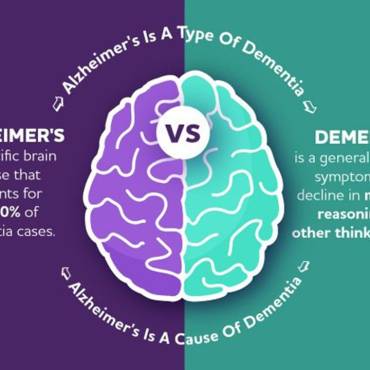
Although memory loss is a common part of ageing, it is called Alzheimer’s when it goes beyond forgetting to take a receipt back after paying for a pill or losing things now and then. Alzheimer’s is not included in the ageing process. The condition is defined as an impairment of intellectual abilities and memory loss enough to interfere with daily life. This brain disorder accounts for over half of all dementia cases.
Early signs of Alzheimer’s disease
Researchers continue to unravel the complex brain changes involved in Alzheimer’s disease. It appears that damage to the brain starts much earlier than memory loss, and another cognitive impairment emerges. During the initial stages of the neurological disorder, people seem to be symptom-free, but unaware of the toxic changes taking place in the brain.
The initial symptoms of Alzheimer’s vary from person to person. The disease affects everyone differently and can show early signs and symptoms. Check out the list of seven early signs of Alzheimer’s that confirm the presence of the neurological disorder:
- Trouble remembering things that just happened –Initially, only short-term memory loss occurs, with long-term memory issues developing later as the disease progresses. People may forget an appointment or a client’s name in the office. Many people complain of memory loss, but they can provide details about the incident, such as what they were doing at the time. However, the condition can be severe and indicate dementia when the patient is asked and is unable to recall a specific instance or is unable to remember something. Forgetting important events, repeatedly asking for the same information, and relying more on family members or needing notes to perform daily tasks.
- Unable to solve simple problems –Struggling to solve your kid’s simple math problems or track monthly bills. If you take longer to do these things, consider seeing a doctor.
- Difficulty determining place or time – Losing track of the date or seasons is also a common symptom of Alzheimer’s. Planning can be a difficult task for people affected with Alzheimer’s, as this task does not immediately occur.
- Trouble performing familiar tasks –Some people go through problems with concentration. Some daily tasks require focus, and you take longer to complete them as the disease progresses. While driving, if you or your loved one forgets a commonly travelled route, consider this may be a sign of Alzheimer’s.
- Speech problems – People with Alzheimer’s often find difficulty finding the right word when initiating the conversation. An affected individual may stop in the middle of a conversation because they forget what to say and how to finish a sentence. This causes them to repeat words and conversations.
- Problem making decisions –This is a matter of concern if an affected individual works in the finance industry. Financial choices may demonstrate poor judgment. For example, donations exceed the required amount for telemarketers. For such individuals, physical hygiene also becomes less of a concern. A rapid decline in bathing frequency and a lack of willingness to change clothes regularly are indications of Alzheimer’s.
- Mood or personality changes-Mood swings are common, but a noticeable change in mood may include anxiety, depression, fearfulness, and confusion. Irritation increases even when something outside the normal routine takes place.
The exact cause of the early onset of Alzheimer’s has not been entirely determined. Researchers believe that this neurological disorder results from multiple factors and has no single cause. Studies have discovered rare genes that may be responsible for causing Alzheimer’s. These genes may be carried from one generation to another, resulting in adults younger than 65 years of age developing dementia symptoms. However, these genes accounted for less than 5% of brain disease diagnoses. Research is ongoing to determine the exact cause of the condition.
Treatment for Alzheimer’s
The condition is not curable, but medicines for Alzheimer’s are available that can help improve memory loss and decrease sleeping issues. Research is still going to determine alternative treatments for Alzheimer’s disease. If you or your loved one is struggling with memory loss and other associated problems, contact a doctor who can provide you with information and make an effort to restore your lost memory or slow down the progression of Alzheimer’s.
Available treatment options
A wide range of Alzheimer’s medications is available to cover different stages of the condition. For those with mild to moderate conditions, medications such as Donepezil (Donep 5 mg, Donep 10mg), Galantamine (Galamer 4 mg, Galamer 8 mg), and Rivastigmine (Rivamer 1.5 mg, Rivamer 3mg) are usually recommended by healthcare professionals. For patinets with moderate to severe Alzheimer’s symptoms, Memantine (Admenta 5 mg, Admenta 10mg) is the treatment option. Follow your prescription to achieve the maximum results.
AllDayChemist offers these trusted medications at an affordable rate. Buying Alzheimer’s medications from AllDayChemist allows customers to find related information, dosage strengths, and ordering guidance to make informed purchasing decisions. The competitive pricing, discreet packaging, and doorstep delivery add up to a compelling package of benefits. A straightforward ordering process and responsive customer support led to a smoother purchasing experience, and they can’t be ignored.
Conclusion
Identifying the early signs of Alzheimer’s disease can make a huge impact on managing the condition. Occasional forgetfulness is common, but persistent memory loss and difficulty performing simple everyday tasks should be evaluated by a healthcare specialist. An early diagnosis followed by timely treatment and better symptom management. Although there is no cure for this neurological condition, healthy lifestyle choices combined with medicinal treatment help slow down symptom progression and improve overall quality of life. If you or your loved one develops ongoing cognitive changes, do not delay an appointment with a healthcare professional.