
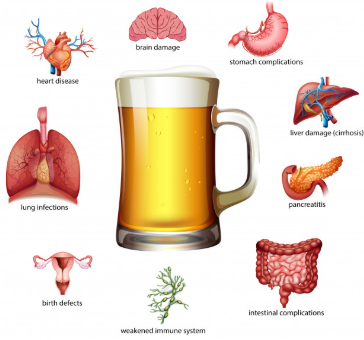
Alcohol is one of the most widely consumed substances across the world, often associated with social gatherings, celebrations, and relaxation. While occasional drinking may seem harmless, excessive or regular alcohol consumption can have serious consequences on both physical and mental health. Understanding the short-term and long-term effects of alcohol is essential for making informed decisions and protecting your well-being.
Understanding how alcohol affects the body
When you consume alcohol, it is quickly absorbed into your bloodstream through the stomach and small intestine. Within minutes, it reaches the brain and begins to alter how your body functions. Alcohol is a depressant, meaning it slows down the central nervous system. This affects your thinking, behavior, coordination, and emotions. The intensity of these effects depends on several factors, including age, body weight, tolerance, gender, and how much alcohol is consumed.
Short-term effects of alcohol
The short-term effects of alcohol can occur almost immediately after drinking. While some of these effects may feel pleasurable at first, they can quickly become harmful, especially when alcohol is consumed in large quantities.
- Initial feelings of relaxation and euphoria
One of the first noticeable effects of alcohol is a sense of relaxation or mild euphoria. People often feel more confident, sociable, and less inhibited. However, this temporary “feel-good” sensation can mask the negative effects that follow.
- Impaired judgment and decision making
Alcohol affects the brain’s frontal lobe, which controls reasoning and judgment. As a result, individuals may engage in risky behaviors, such as unsafe driving, unprotected sex, or aggressive actions.
- Reduced coordination and slurred speech
Even moderate alcohol consumption can impair motor skills. You may experience:
- Difficulty walking straight
- Slurred speech
- Poor hand-eye coordination
These effects increase the risk of accidents and injuries.
- Nausea, vomiting, and digestive issues
Alcohol irritates the stomach lining and increases acid production, leading to nausea, vomiting, and sometimes diarrhea. These symptoms are common during or after heavy drinking sessions.
- Memory loss and blackouts
High alcohol intake can interfere with memory formation, leading to blackouts, periods where a person cannot recall events that occurred while drinking.
- Dehydration and hangovers
Alcohol acts as a diuretic, causing the body to lose fluids. This leads to dehydration, resulting in headaches, dizziness, fatigue, and hangovers the next day.
- Risk of alcohol poisoning
Consuming excessive amounts of alcohol in a short time can lead to alcohol poisoning—a life-threatening condition that may cause slow breathing, unconsciousness, or even death.
Long-term effects of alcohol
While short-term effects are often temporary, long-term alcohol use can lead to severe and sometimes irreversible health problems. Chronic drinking affects nearly every organ in the body.
- Liver damage
The liver is responsible for breaking down alcohol, but excessive consumption overwhelms it. Over time, this can lead to fatty liver disease, alcoholic hepatitis and liver cirrhosis. These conditions can become life-threatening if left untreated.
- Cardiovascular problems
Long-term alcohol use increases the risk of high blood pressure, irregular heartbeats, cardiomyopathy (weakening of the heart muscle), etc. These conditions can lead to heart attacks or strokes and more, depending on your immune system.
- Increased risk of cancer
Alcohol consumption has been linked to several types of cancer, including liver cancer, breast cancer, mouth or throat cancer, and colon cancer. This is largely due to toxic byproducts like acetaldehyde, which damage DNA and cells.
- Brain and nervous system damage
Chronic alcohol use can impair brain function and lead to memory loss, difficulty concentrating, reduced cognitive abilities, and permanent brain damage. In severe cases, it may result in alcohol-related dementia or neurological disorders.
- Mental health disorders
Alcohol significantly affects mental health. Long-term use is associated with depression, anxiety, mood swings, and increased risk of suicidal thoughts. Alcohol may initially seem to relieve stress, but it ultimately worsens mental health conditions.
- Weak immune system
Regular drinking weakens the immune system, making the body more vulnerable to infections such as pneumonia and tuberculosis.
- Digestive and metabolic issues
Alcohol can damage the pancreas, leading to pancreatitis and problems with blood sugar regulation. This increases the risk of diabetes and other metabolic disorders.
- Social and lifestyle consequences
Beyond physical health, alcohol abuse can negatively impact relationships and family life, career and financial stability, social behavior and legal standing. Over time, dependency can lead to isolation and reduced quality of life.
Alcohol addiction and dependence
One of the most serious long-term effects of alcohol is addiction. Regular consumption can increase tolerance, meaning the body requires more alcohol to achieve the same effects. Eventually, this leads to dependence. People with alcohol dependence may experience withdrawal symptoms when they stop drinking, such as anxiety, tremors, insomnia, and sweating. In severe cases, withdrawal can cause seizures or a dangerous condition known as delirium tremens.
Factors that influence alcohol’s effects
Not everyone experiences alcohol in the same way. Several factors influence how alcohol affects the body, and these are age and gender, body weight and metabolism, frequency and quantity of drinking, medical history, mixing alcohol with medicines, etc. For example, women may experience stronger effects due to differences in metabolism and body composition.
When to seek help
If alcohol consumption begins to interfere with your health, relationships, or daily life, it is important to seek help. Signs that you may need support include:
- Inability to control drinking
- Strong cravings for alcohol
- Continued use despite negative consequences
- Withdrawal symptoms when not drinking
Professional treatment, counseling, and medications such as Naltima 50 mg (Naltrexone hcl), Esperal 250mg (Disulfiram) are some of the commonly prescribed medicines for treating alcohol addiction, which can help individuals overcome alcohol dependence and regain control of their lives. AllDayChemist delivers medicine to treat chronic alcoholism condition. Consult a doctor to know the best medicine for you.
Also Read: Treating Alcoholism with Medical Marijuana
Conclusion
Alcohol may seem harmless in moderation, but its effects, both short-term and long-term, can be serious and far-reaching. From temporary impairments like poor judgment and coordination to chronic conditions such as liver disease, mental health disorders, and addiction, alcohol impacts nearly every system in the body. Being aware of these risks is the first step toward making healthier choices. Whether it means limiting intake or seeking help for addiction, taking action early can prevent long-term damage and improve overall quality of life.