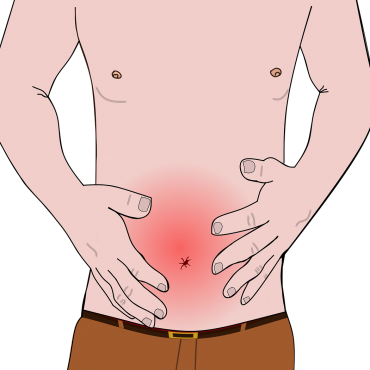

Nearly everyone experiences constipation at some point in their lives. However, this stop problem is not always the same for everyone. Some deal with occasional constipation while others struggle with a long-lasting digestive tract issue that may require medical treatment. Chronic constipation vs constipation differs mainly in frequency and duration. This easy-to-read manual helps you explain the exact difference between chronic and occasional constipation.
Introduction: An overview of constipation
Constipation is a common health condition affecting about 1 out of 6 to 7 people across the world and leads to more than 1.5 million healthcare center visits in the US alone. Medication use, dietary changes or even travel may contribute to short-term cases of constipation. Chronic constipation (CC) has a larger economic impact. When it comes to long-term management of constipation, research data suggest that more money is spent on direct care of each person with constipation. On a personal level, the digestive condition can be quite debilitating and significantly impact a patient’s quality of life. It can force an individual to isolate socially, which often results in reduced productivity and increased absences from work/school. The overall impact of constipation on an individual’s well-being should neither be minimized nor ignored. Understanding occasional constipation vs chronic constipation helps individuals identify when diet or lifestyle changes can help and when medical advice is required for persistent, recurring symptoms.
What is occasional constipation?
Occasional constipation is a temporary digestive issue experienced by people of all ages. It typically lasts only for a few days and often occurs after travelling, dietary change, or stress. Sometimes, not drinking enough water or consuming too much processed food may contribute to hard, dry stools. Also, painkillers and certain supplements may give rise to temporary episodes of constipation. Symptoms include stress, fewer than three bowel movements a week, hard/dry stools, temporary stomach cramps, and straining to go. If the symptoms resolve within a few days by simply changing the diet or using simple medicines, it is likely to be occasional constipation.
What is chronic constipation?
Chronic constipation is a complex condition that persists over a long time and may significantly affect digestive health. What qualifies as chronic constipation? Well, an individual has chronic constipation if they experience infrequent bowel movements or difficulty passing stools for three or more months. Chronic constipation may result in colonic damage if left untreated. Colonic damage refers to inflammation, injury, or structural impairment of large intestinal tissue, leading to diseases such as ulcerative colitis or infections. Key signs include regular straining and pain, months of constipation, feeling like stool is hard, and sometimes needing help to pass stool.
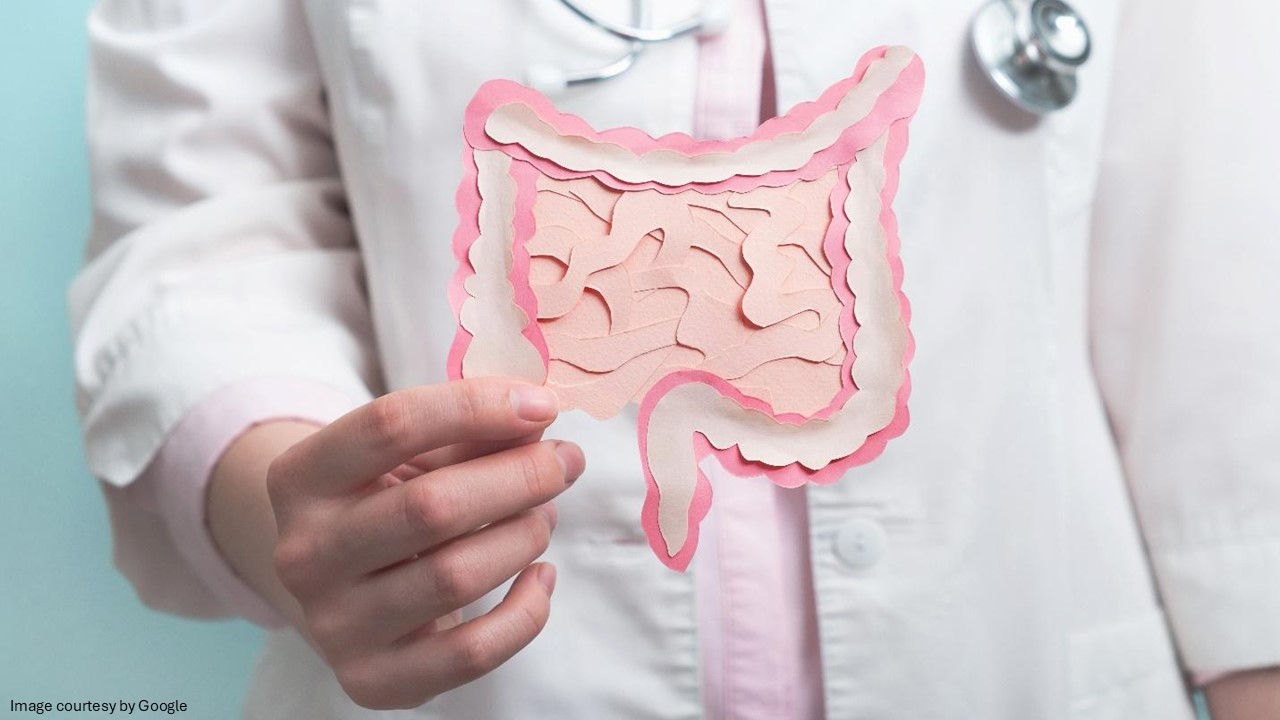
Chronic constipation symptoms vs normal constipation:
How to know if constipation is chronic? Well, the major difference between chronic and occasional constipation lies in symptom duration, bowel movement frequency, the presence of ongoing discomfort, and treatment approaches.
• Time: As mentioned above, occasional constipation is short-term and lasts for less than 2 weeks, while chronic constipation is a long-term digestive difficulty that lasts for 3 months or more and often recurs.
• Bowel movements: Another symptom of chronic constipation is the frequency of bowel movements, which happens less than three times per week. In case of occasional constipation, an individual may have 1 to 2 bowel movements per week.
• Level of Discomfort: Constipation may be chronic if an individual experiences moderate-to-severe abdominal pain or discomfort for an extended period, resulting in a serious impact on daily living. Normal constipation may cause mild to moderate pain or discomfort that resolves within a few days and has little or no influence on daily living.
• Treatment approach: Laxatives are very commonly required in the management of chronic cases, while patients dealing with occasional constipation rarely require laxatives. For them, a simple change in diet and lifestyle can help resolve the condition.
What is the reason behind chronic constipation?
Several factors contribute to chronic constipation. These may include weak pelvic muscles, hard bowel movements in the colon, use of certain medications (antidepressants, painkillers), medical conditions (diabetes or hypothyroidism), and a low-fibre diet. Healthcare specialists perform tests to determine the exact cause and prescribe appropriate treatment.
Read More: Does Constipation Cause Headache?
When to reach for medical help?
Most cases of infrequent constipation are self-limiting and resolve within a few days. But consulting a healthcare specialist is a must if the following applies to you:
• Unexplained, rapid weight loss
• Severe or worsening abdominal pain
• Vomiting that smells like stool or is green or yellow in colour
• Bowel obstruction (inability to pass gas)
• Reduced bowel movement for over two weeks
• Blood in stools, haemorrhoids (irritated veins)
• Fever
How to manage chronic constipation?
Chronic constipation management: Diet plays a crucial role in both occasional and chronic constipation. Treatment requires long-term lifestyle changes along with an improved diet plan that includes increased fibre intake to help prevent constipation. Include fibre-rich food in your diet. These may include whole grains, fruits (apples, pears, and berries), vegetables (broccoli and spinach), nuts and seeds. The healthcare professional may also recommend drinking enough water and maintaining regular physical activity, and may prescribe medications, fibre supplements, or other medical treatments to encourage regular bowel movements and support digestive health.
What is the treatment strategy for chronic constipation?
If lifestyle changes are not adequate, healthcare specialists may recommend medical treatment. Possible treatments may include fibre supplements, osmotic or stimulant laxatives. Probiotics, prescription medicines that induce more bowel movement, and biofeedback therapy to strengthen pelvic muscles.
Medicines – Constipation relief medicines, including laxatives, stool softeners, and fibre supplements, promote regular bowel movements, improve digestion, and provide gentle, effective relief from occasional and chronic constipation. AllDayChemist offers Pruease 2mg for chronic idiopathic constipation.
This information guide is only for educational purposes and should not be used as a substitute for professional medical advice. Therefore, it is important to consult a healthcare specialist for professional advice, diagnosis, and treatment.
Read More: Best Natural Home Remedies for Anti Constipation
Conclusion
Chronic constipation refers to persistent difficulty passing stools that lasts for several weeks or months, often requiring medical attention. On the other hand, occasional constipation is temporary and usually resolves on its own due to factors like diet changes, dehydration, or stress. Understanding chronic constipation vs constipation helps you recognize when lifestyle changes may help and when it may be important to get medical attention for ongoing digestive problems. The main difference lies in the time and bowel movements. Following a healthy lifestyle, eating a balanced diet, and staying hydrated may help prevent constipation. Also, if the condition doesn’t improve even with adopting healthy lifestyle habits, be sure to consult a healthcare specialist and seek the necessary medical help to treat your condition.